
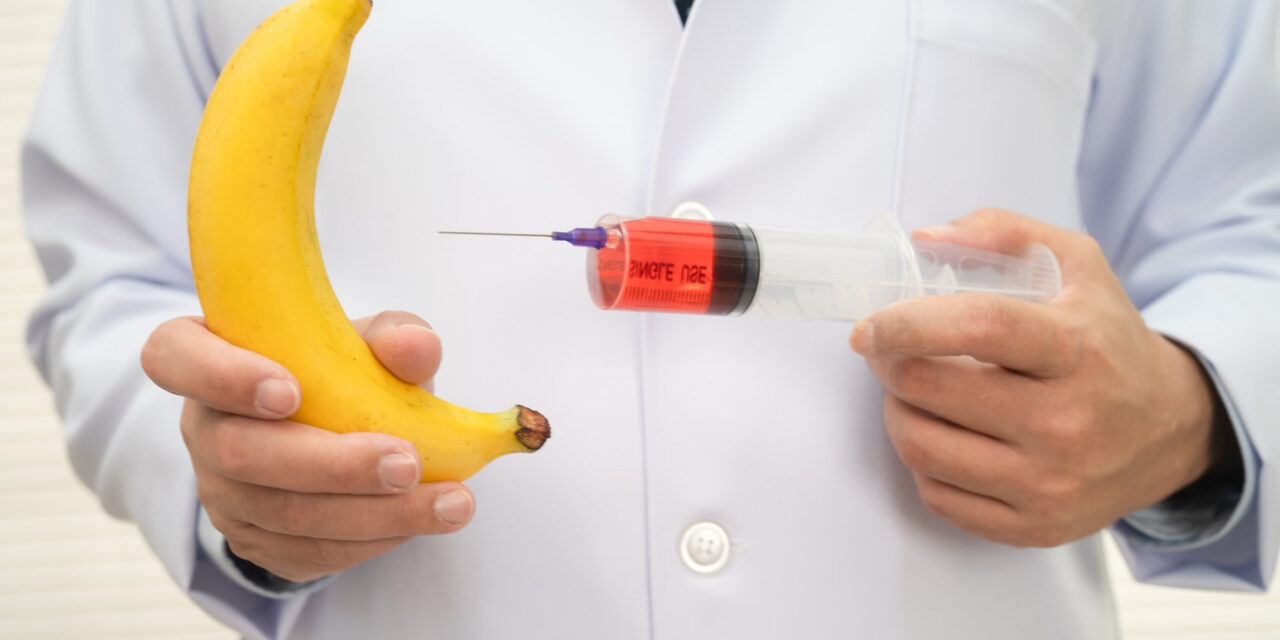
Erectile dysfunction testing usually means a conversation, a physical exam, and a few blood or urine tests, not one single “ED test.” Which tests you need depends on your history and your clinician’s judgment, and specialized tests are reserved for some men. Costs vary by plan and setting, so ask for estimates first.
If you’ve been wondering what happens when you tell a clinician about erection problems, you’re asking a practical question. Erectile dysfunction (ED) means trouble getting or keeping an erection firm enough for sex, and erectile dysfunction testing is the set of steps clinicians use to look for what may be contributing. For most men, those steps are less dramatic than they imagine: questions, a blood pressure reading, an exam, and some routine lab work.
The reason testing exists is that ED is rarely just one thing. It can be linked to blood vessels, nerves, hormones, medicines, stress, sleep, or several of these at once, and the pattern of your story shapes which tests make sense. The American Urological Association (AUA) guideline describes the starting point as a thorough medical, sexual, and psychosocial history, a physical exam, and selective laboratory testing. “Selective” matters here: it means a clinician chooses tests for you, not a fixed menu for everyone.
This article stays on one narrow question: what tests may be ordered, what each can and can’t tell you, what access and cost look like in descriptive terms, and what to ask. It does not diagnose anything or tell you what your own results mean. For the bigger picture, see the ED overview, and for care pathways and coverage in general, see how to get ED treatment. Think of this page as a way to take some of the mystery, and the pressure, out of the first appointment.
- ED evaluation is usually a history, a physical exam, and selective lab tests, not one test.
- Specialized tests (ultrasound, injection testing, nighttime erection monitoring) are used for some men, not most.
- A single testosterone result can’t diagnose anything alone; timing and repeat testing matter.
- Costs depend on your plan, the setting, and which tests are ordered, so ask for estimates in advance.
- At-home kits are not a substitute for a clinician’s evaluation.
What Erectile Dysfunction Testing Actually Covers
Testing for ED isn’t one procedure with one answer. It’s a series of questions and checks that help a clinician understand why erections have changed and whether anything else in your health deserves attention. This section explains the purpose of testing and how to think about its limits.
What testing is trying to answer
Clinicians generally approach ED with two questions in mind: what is contributing, and what else might be going on in your body. Testing is the way they gather evidence for both.
Looking for causes, not just confirming ED
You usually don’t need a test to confirm that ED is happening, because your own description is the starting point. Clinicians use your story of when erections change, how firm they are, and whether they happen during sleep to narrow down the possibilities. Tests then help check the leading suspects. A blood sugar test looks for diabetes, a blood pressure reading looks at cardiovascular strain, and a hormone test looks for testosterone problems.
The AUA guideline also recommends validated questionnaires, such as the Sexual Health Inventory for Men (SHIM), to gauge how severe ED is and to track whether treatment helps. These are short forms you fill out, and they give you and your clinician a shared baseline. If you’d like to read about the cause side of the equation, common causes of ED are covered separately.
Why “testing” is usually several small steps
When people search for an ED test, they often picture one result, like a pregnancy test. In practice, testing is layered. The first layer is a conversation and exam. The second is routine blood and urine work. A third layer, used only for some men, includes specialized studies of blood flow, nerves, or nighttime erections.
Most men never reach the third layer. The AUA guideline-guideline) puts it plainly: specialized testing and evaluation “may be necessary” for some men to guide treatment. Knowing the layers can help you ask a better question than “what test do I need?” A more useful one is “what are you looking for, and what would change your plan?”
Why testing belongs in ED care
ED is a sexual symptom, but it can also be a health signal. That’s why clinicians don’t simply hand over a prescription without asking questions.
ED as a possible signal of other health conditions
The AUA guideline says men should be counseled that ED is a risk marker for underlying cardiovascular disease and other health conditions that may warrant evaluation and treatment. Mayo Clinic similarly describes ED as possibly a sign of a health condition that needs treatment and as a risk factor for heart disease. The NIDDK adds that ED is not a routine part of aging.
A risk marker is not a diagnosis. It means your clinician may check blood pressure, blood sugar, and cholesterol because those are common, treatable contributors. Some evaluations turn up a clear, manageable contributor, and others don’t point to any single cause. The point of testing is to avoid missing something, not to assume the worst.
What testing is not designed to do
Testing doesn’t measure your worth, your masculinity, or the quality of your relationship, and it isn’t a judgment of your partner either. It also can’t predict how you’ll respond to a specific treatment with certainty. A normal result doesn’t mean your symptoms aren’t real, and an abnormal one doesn’t mean a single fix is waiting.
Tests inform decisions; they don’t make them. A result is one piece of information that sits beside your history, your medicines, your mood, and your goals. If you’ve had a sudden change, you may want to read about sudden ED, and if you want to know how clinicians sort out mental and physical contributors, see psychological vs. physical ED. Neither question can be answered by a lab value alone.
The First Steps: History, Questions, and a Physical Exam
The earliest steps in ED evaluation cost the least and often reveal the most. Before any lab work is ordered, a clinician typically wants to hear your story and examine you.
The conversation comes first
Expect questions that feel personal. They’re routine for the clinician, and they’re the single most useful part of the evaluation.
What a sexual and medical history covers
A clinician will usually ask when the change began, whether it came on suddenly or gradually, and whether it happens every time or only in some situations. Cleveland Clinic lists common questions about the frequency and firmness of erections, how long an erection lasts, timing of onset, and whether you have nighttime or morning erections. They may also ask about stress, mood, and relationship strain, and in some cases they may invite your partner’s input.
Nighttime and morning erections can be useful clues, because they may hint at whether the physical mechanism is working in some settings. Questions about desire, ejaculation, and orgasm help separate ED from related concerns. If you’re wondering how morning erections factor in, morning erections and ED goes deeper. Honest, specific answers get you better care, and you can say “I’d rather not discuss that today” if you need a pause.
Medicines, supplements, and substances
Your clinician will ask about everything you take, including prescription drugs, over-the-counter products, vitamins, and supplements. The NIDDK notes that clinicians ask about medicines, vitamins, and supplements as part of the history. Cleveland Clinic’s list also includes nonmedical substances, which is a reminder that alcohol, nicotine, and recreational drugs are fair topics in a confidential visit.
Bring a written list with doses. Some medicines used for blood pressure, mood, or other conditions can contribute to ED, but you shouldn’t stop any prescribed medicine on your own. Raise the question with the prescriber instead. If you’ve used ED medicine before, say so and note what happened, since what to review when Viagra isn’t working often starts with that exact information.
Mention any chest pain, shortness of breath with activity, or fainting, and any nitrate medicine you take (for example, for angina). The FDA label for sildenafil states that it’s contraindicated (should not be combined) with nitrates and that it shouldn’t be used if sexual activity is inadvisable because of your cardiovascular status. If you have chest pain right now, call 911 or your local emergency number instead of waiting for an appointment.
The exam and simple measurements
The physical exam is quick, but it covers several body systems at once. Knowing what’s coming usually makes it easier.
Blood pressure, weight, and general checks
The AUA guideline’s exam recommendations include vital signs such as pulse and resting blood pressure, plus measures of body size such as waist circumference or body mass index (BMI). These matter because high blood pressure, excess weight around the middle, and related conditions are tied to vascular health, and vascular health is tied to erections.
Your clinician may also look for physical signs related to hormones, such as breast tissue enlargement or reduced body hair, which the guideline lists as possible signs of testosterone deficiency. None of these findings is a diagnosis on its own. They help decide whether a hormone test makes sense and whether other conditions should be checked. If your blood pressure is high at the visit, it may simply lead to a repeat reading or home monitoring.
Genital and nerve checks
A genital exam checks the skin, the penis, and the testicles. According to the AUA guideline, it includes looking at penile skin and the opening of the urethra, feeling along the shaft for deformities, and examining the scrotum for size, consistency, and position. The NIDDK lists penile problems such as Peyronie’s disease (a condition involving curvature of the penis) among the things an exam may identify.
Mayo Clinic notes that the exam may include checking for nerve damage. A clinician may also do a rectal exam in some situations, which the AUA describes as optional. If any part of the exam makes you uncomfortable, you can ask what it’s for, ask for a chaperone, or decline a step. Cleveland Clinic says you can decline testing at any time.
| Step | What it looks at | How common it is in evaluation |
|---|---|---|
| Medical, sexual, and psychosocial history | Onset, pattern, medicines, mood, stress, relationship factors | Part of the AUA’s standard starting point |
| Physical exam and vital signs | Blood pressure, pulse, body size, genitals, nerve and hormone-related signs | Part of the AUA’s standard starting point |
| Questionnaire (such as SHIM) | Severity of ED and change over time | Recommended by AUA to assess severity and response |
| Blood and urine tests | Blood sugar, lipids, kidney function, hormones, general health | Selective, based on your situation |
| Specialized tests | Blood flow, nerve response, nighttime erections | Only for some men, as judged by a clinician |
Source note: Based on AUA guideline statements (2018), NIDDK, Mayo Clinic, and Cleveland Clinic patient pages; no figures reported. Which steps you actually need is a clinician’s judgment; this table describes what may be used, not what you should expect.
Blood, Urine, and Hormone Tests
Lab work is where many men expect the “real” testing to happen. These tests are usually routine ones used across general medicine, and they’re chosen to check conditions that commonly travel with ED.
Common blood and urine tests
There’s no single required panel. What gets ordered depends on what you’ve already had checked recently and what your history suggests.
Glucose, A1c, and lipids
The AUA guideline lists fasting glucose or hemoglobin A1c and a lipid (cholesterol) panel among the appropriate laboratory studies. Blood glucose and A1c, which reflects average blood sugar over roughly the past few months, help check for diabetes or prediabetes. Diabetes can affect both blood vessels and nerves, and Mayo Clinic notes that blood tests can reveal signs of heart disease, diabetes, and low testosterone.
A lipid panel looks at cholesterol and related fats, which matter for blood vessel health. If you’ve had these done recently, your clinician may use those results rather than repeating them, so bring or request prior results. Some labs ask you to fast beforehand and others don’t, so confirm the instructions when you schedule rather than guessing. If a result is flagged, the next step is a conversation about what it means for you, not a conclusion about your erections.
Kidney, thyroid, blood count, and urine
The AUA guideline mentions a kidney function test (BUN and creatinine) when recent results aren’t available, and it describes thyroid testing as an optional addition. Cleveland Clinic’s list of possible blood work is broader and includes a complete blood count, liver and kidney function tests, thyroid tests, and testosterone. The NIDDK mentions thyroid and prostate tests; the AUA treats prostate-specific antigen (PSA) testing as situational rather than automatic.
Not every man gets every test. A urinalysis (a urine test) is another low-effort option, and Mayo Clinic says it can show signs of diabetes and other health conditions. If your clinician orders a test you don’t recognize, ask what it’s checking for. “What question does this answer?” is a perfectly good thing to say out loud.
Testosterone testing
Hormone testing is the part of the lab list that raises the most questions, partly because “low T” gets so much attention online.
Why timing and repeat testing matter
The AUA guideline recommends that morning serum total testosterone be measured in men with ED. MedlinePlus explains that testosterone is typically highest in the morning, and its page describes blood draws between 7 and 10 a.m. It also says you may need to fast and that you should tell your provider everything you take. Ask before stopping any medicine for a test.
The Endocrine Society’s guideline takes a more cautious view of diagnosis: it calls for symptoms and signs plus consistently low total testosterone, confirmed by repeating a morning fasting measurement, and it advises against routine screening in the general population. These positions fit together. Measuring once in a man with ED is a reasonable first look, and confirming a diagnosis takes more than one number.
What one result can and cannot tell you
MedlinePlus states that a single testosterone test can’t diagnose a condition by itself, and abnormal results are interpreted alongside symptoms and other tests. There are different testosterone measurements, including total, free, and bioavailable, and the total test is the most common. If a result is low, a clinician may repeat it and may check other hormones to understand why.
No single number answers “do I have low T?” The Endocrine Society’s guideline also notes that luteinizing hormone and follicle-stimulating hormone can help sort out whether the cause lies in the testicles or the pituitary and brain. For how testosterone and ED relate, and the questions to ask about results, see low testosterone and ED. For the symptom picture, the low testosterone symptoms guide covers it.
Marcus, 46, tells his primary care clinician that erections have been less reliable for about a year. The clinician asks about medicines, sleep, and stress, checks his blood pressure, and orders a morning blood draw. Marcus assumes the testosterone number will settle everything and gets anxious about it. At the visit, the clinician explains that results are read alongside his symptoms, and that a low value would likely be repeated before anyone draws conclusions. Marcus asks which tests were ordered and why, whether he should fast, and whether any of his current medicines could matter. He leaves with a written list, a plan to review results together, and less dread about a single number. This is a fictional example, not a prediction about anyone’s results.
Hypothetical scenario for illustration only. It does not describe a real person and is not individualized medical advice.
| Test | What it may help check | What it cannot do alone |
|---|---|---|
| Fasting glucose or A1c | Signs of diabetes or prediabetes | Explain why erections changed |
| Lipid panel | Cholesterol and related fats tied to vascular health | Show whether penile blood flow is affected |
| Kidney function (BUN, creatinine) | Overall kidney function when recent results are lacking | Identify an ED cause by itself |
| Morning total testosterone | A first look at a possible hormone contribution | Diagnose low testosterone without symptoms and a repeat |
| Thyroid tests (optional) | Possible thyroid contribution | Confirm a diagnosis without clinical context |
Source note: AUA ED guideline (2018), Mayo Clinic, Cleveland Clinic, MedlinePlus, and Endocrine Society guideline (2018) summaries. Reference ranges are intentionally omitted; labs set their own, and interpretation belongs with your clinician.
Specialized Tests: When They Come Up
Beyond history, exam, and routine labs, a smaller set of tests looks directly at blood flow, nerve function, or nighttime erections. These aren’t a standard part of every evaluation, and many men never need them.
Tests of blood flow and nerves
When the cause remains unclear, or when a clinician wants more detail before choosing a treatment, they may use tests that examine how the penis responds physically.
Penile Doppler ultrasound and injection testing
The NIDDK describes ultrasound imaging that shows how blood flows through the penis, and an injection (intracavernosal) test in which medicine is injected into the penis in a clinician’s office to see how full the penis gets and how long the erection lasts. Mayo Clinic notes that ultrasound may be performed after injecting medicine to stimulate blood flow.
These are in-office procedures, not home tests. The patient-education sources used for this article describe what these tests are but don’t set out firm criteria for who needs them, so the decision rests on your clinician’s judgment about whether the result would change your care. If one is proposed, ask what it will tell you, what the procedure involves, how it’s prepared for, and what follow-up care looks like if you have a strong or prolonged response.
Nerve response testing and advanced imaging
Cleveland Clinic’s list of possible tests includes penile biothesiometry, which assesses nerve response, and magnetic resonance angiography (MRA), an advanced imaging study, when a vascular problem is suspected. These are less common and are generally considered when a specialist wants detailed information, for example when blood vessel or nerve injury is a leading concern.
Specialized does not mean better. More testing isn’t automatically more informative, and each test adds time, cost, and sometimes discomfort. It’s reasonable to ask why a test is being suggested, what alternatives exist, and whether the answer could realistically change the treatment plan. If you’re not sure, you can ask for time to think or a second opinion from another clinician.
Nighttime erection and psychological assessment
Two other categories of assessment aim to sort out whether physical and psychological factors are driving ED.
Nocturnal erection testing
The NIDDK describes a nocturnal erection test that looks at erections you have at night, which can help determine whether ED is due to a physical problem, and says it can be done at home or in a sleep lab. The idea is that if the body produces normal erections during sleep, the physical machinery may be working, and psychological or situational factors may be playing a bigger role.
This test is used selectively. Many clinicians rely on your own report of morning or nighttime erections first. If a formal test is proposed, ask where it would be done, what the device involves, how long it takes, and how results are explained.
Mental health screening and anxiety
Mayo Clinic notes that clinicians may screen for depression and other psychological factors. The AUA guideline’s emphasis on a psychosocial history points the same direction: stress, anxiety, mood, and relationship strain are part of the evaluation, not an afterthought. Worry about performance can itself make erections harder to keep, which can create a loop worth naming out loud.
Being asked about mood doesn’t mean your ED is “all in your head.” Physical and psychological contributors often overlap, and a brief screening questionnaire or conversation is a way to see the whole picture. If anxiety is a significant part of the story, performance anxiety is covered in its own guide, and you can ask about counseling or sex therapy alongside any medical testing.
Costs and Insurance Coverage for ED Testing
Cost is often the quiet reason men put off an evaluation. No reliable single price applies to ED testing, because the total depends on who you see, which tests are ordered, where they’re done, and what your plan covers. This section describes the cost pieces so you can ask better questions.
What drives the bill
Think of the total as several separate charges that may arrive at different times and from different places.
Visit fees, lab fees, and procedures
A typical evaluation can include the visit itself, any in-office exam or questionnaire, the blood draw and lab analysis, and a urine test. Those pieces may be billed separately: the clinic bills for the visit, and a laboratory bills for the analysis. Specialized tests such as ultrasound, injection testing, or nighttime erection monitoring are procedures with their own charges and may require a separate appointment or facility.
This article doesn’t give dollar amounts, because none were verified and prices differ widely by region, plan, and facility. A primary care visit and a specialist visit are often priced differently, and a lab inside your plan’s network may cost less than one outside it. If you have two ways to get the same lab test, it’s fair to compare. For how the first specialist visit itself may look, see the first urologist visit guide.
Deductibles, copays, and coinsurance
HealthCare.gov defines a deductible as the amount you pay for covered services before your plan starts to pay, a copayment as a fixed amount you pay for a covered service, and coinsurance as a percentage of the cost you pay for each covered service. Which of these applies to a visit or a lab test depends on your plan design.
Early in a plan year, you may pay more of the cost yourself, because you haven’t met your deductible. Later, you may pay only a copay or coinsurance. Check whether your deductible has been met before scheduling nonurgent testing, and ask whether the plan treats lab work and imaging differently from office visits. If you’re uninsured or choose to self-pay, ask for an itemized estimate before you agree to tests.
Understanding costs before you go
You can learn a lot before you set foot in an office, and a few phone calls usually clarify most of it.
Questions for the office and your insurer
Ask the clinic which tests they expect to order and whether the lab they use is in your network. Ask your insurer whether a referral is needed to see a specialist, whether any listed test needs prior approval, and what your cost share will be for a visit, labs, and any procedure. How insurers handle prior approval for specialized ED tests wasn’t verified for this article, so ask rather than assume.
If a specific test is recommended, ask what question it answers and whether a lower-cost step could answer the same question first. Write down the date, the name of the person you spoke with, and what they said. That makes it easier to resolve a billing surprise later, and it helps you decide with a clear head rather than under pressure.
Medicare and other coverage notes
The Medicare website says Part B covers medically necessary clinical diagnostic laboratory tests when your doctor or provider orders them, from a laboratory that meets Medicare requirements, and that you usually pay nothing for Medicare-approved tests. That statement concerns lab tests specifically; visits and other procedures have their own rules and cost sharing.
Treatment costs are a separate topic. A CMS question-and-answer document, dated 2006, states that drugs prescribed for erectile dysfunction are excluded from Part D, while the same drugs can be covered for other FDA-approved uses. Confirm current plan details, since plans change yearly.
| Cost component | What it is | What to ask |
|---|---|---|
| Office visit | Time with a primary care clinician, urologist, or other professional | Is this visit billed as primary care or specialist care? |
| Laboratory tests | Blood and urine analysis, often billed by the lab separately | Is the lab in my network, and which tests are included? |
| Specialized procedures | Ultrasound, injection testing, or nighttime erection monitoring | Where is it done, and is it billed separately by a facility? |
| Plan cost sharing | Deductible, copayment, or coinsurance | Have I met my deductible, and what is my share? |
| Self-pay options | Paying directly without insurance | Can you give me an itemized estimate in writing? |
Source note: Original editorial summary; cost-sharing terms defined by HealthCare.gov; Medicare lab-test coverage from Medicare.gov. No prices are stated. Amounts vary by plan, region, and facility and are not established here.
Access: Where Testing Happens and What Cannot Replace It
Getting tested isn’t limited to one type of office. Where you start can depend on your insurance, your local options, and how comfortable you are, and some products sold for home use deserve a careful look.
Where testing can happen
Several kinds of settings can start an ED evaluation, and many men begin with the clinician they already know.
Primary care, urology, and other clinicians
Mayo Clinic describes people typically seeing their primary care provider first, who may refer them to a urologist (a doctor who specializes in male genital and urinary problems) or an endocrinologist (a hormone specialist). The NIDDK also names urologists among the professionals who evaluate ED.
A primary care clinician can usually cover the basics: history, blood pressure, exam, and common lab orders. A referral typically makes sense when the picture is complicated, when first steps haven’t helped, or when specialized testing is being considered. Choosing among clinician types is covered in which doctor treats ED, and you can use ED symptoms to discuss with a doctor to decide what to mention.
Telehealth and local lab draws
Some telehealth services can take a history, order lab work at a local lab, and review results. Practices differ by service and weren’t verified for this article, so treat this as general. A video visit can’t include a hands-on exam, which is one reason an in-person visit may be recommended for some situations, especially if you have new pain, a bend in the penis, or other physical findings.
If you use telehealth, ask who the clinician is, what they’ll review, which labs they’d order, and how they’d handle a result that needs in-person follow-up. Commercial telehealth sites aren’t clinical authorities, so compare what you’re told with guideline-based sources. Be wary of any service that promises a treatment before asking about your health, your medicines, or your heart.
Andre, 38, is uncomfortable with an in-person visit and starts with a telehealth appointment. The clinician asks about his medicines, mood, and sleep, asks whether he gets morning erections, and asks about any chest symptoms. They order bloodwork at a local lab and recommend an in-person exam if anything unusual shows up. Before the lab visit, Andre calls the lab to confirm whether he needs to fast and whether it’s in his plan’s network. He also asks the telehealth clinician which results will be shared and how follow-up works. His next step is a scheduled review of results rather than a guess based on a single number. This is a hypothetical example; real services differ.
Hypothetical scenario for illustration only. It does not describe a real person and is not individualized medical advice.
Direct-to-consumer and at-home tests
Online marketing makes at-home kits look like a shortcut. They deserve a more careful look than the ads suggest.
What at-home kits can and cannot show
At-home and direct-to-consumer tests vary in what they measure and how they’re processed. The accuracy of ED or testosterone kits sold directly to consumers wasn’t verified for this article, so their reliability is not established here. What is clear is that a kit can’t do the history, the exam, or the cardiovascular check that the AUA guideline describes as the starting point.
A kit also can’t tell you why a result is what it is. A testosterone number, for example, depends on timing, fasting, illness, sleep, medicines, and the lab’s methods, and MedlinePlus says one test can’t diagnose a condition alone. If you’ve already used a kit, don’t throw the result away: bring it to your clinician and say how and when you took it.
Why results need a clinician’s interpretation
The FDA says direct-to-consumer tests are not a substitute for a traditional health care evaluation, and that you shouldn’t make health-related decisions without first discussing results with your health care provider. That page focuses largely on genetic tests, but the principle applies more widely.
A result without context can mislead in either direction. A “normal” kit might falsely reassure you and delay care for a cardiovascular or blood sugar problem. A “low” kit might push you toward hormone treatment you may not need. Hormones and ED medicines are decisions to make with a clinician, not from a mailed result. Take the number to an appointment, not to a shopping cart.
Common Questions
Here are straightforward answers to questions people often ask before and after testing. They’re general, not personal medical advice.
Questions about the tests
These questions focus on what to expect from the testing process itself.
Will I need every test on the list?
Almost certainly not. The AUA guideline calls for selective laboratory testing and says specialized testing is needed only for some men, so the list in this article is a menu of possibilities, not a checklist you must complete. Your history and exam guide the choices.
A man with a recent physical and normal blood work may need fewer new labs. A man with diabetes and numb feet may need a different focus. A man whose ED came on suddenly after an injury may be evaluated differently than one whose changes were gradual. If you’re given a long list, ask which items matter most and which could wait. It’s reasonable to understand the purpose of each step before agreeing, and to say no to any of them.
Is ED testing painful or invasive?
Most steps are conversations, a blood pressure reading, a physical exam, and a blood or urine sample. A standard blood draw is brief, and the exam is usually short, though it can feel awkward. Specialized tests are different: the NIDDK describes injection testing as injecting medicine into the penis in a clinician’s office, which is more involved than a lab draw.
How uncomfortable a specific test feels varies, and pain data weren’t verified for this article. Ask the clinician to walk you through each step, what you’ll feel, how long it takes, and what happens afterward. You can request a pause or stop at any point, and Cleveland Clinic says you can decline testing at any time.
Questions about results
Results are where many men feel the most uncertainty, so a few expectations help.
What if my tests come back normal?
Normal results are useful information. They may mean that common metabolic and hormone contributors weren’t found, which can shift attention to other factors such as medicines, sleep, stress, alcohol, or performance anxiety. Normal labs don’t mean ED is imaginary, and they don’t close the door on treatment or support.
Many causes of ED don’t show up on routine blood work, including anxiety and some vascular or nerve issues. A clinician may suggest a follow-up, a different approach, or a referral. Ask what a normal result does and doesn’t rule out, and what the next step is. Ask what the next step is if nothing is found.
Do I need testing before an ED medicine is prescribed?
The AUA guideline says men with ED symptoms should undergo a history, physical exam, and selective laboratory testing, so some assessment is part of standard care before treatment planning. The extent varies by situation, and practices differ. Don’t assume every prescriber follows the same process, and don’t use someone else’s pills.
An evaluation also checks for things that matter for safety, such as nitrate use or cardiovascular status, as the sildenafil label’s warnings indicate. If a service offers medicine without asking about your health history and medicines, treat that as a warning sign. A good evaluation can be short, but it shouldn’t be skipped entirely. To compare the common medicines once you’ve been evaluated, see sildenafil vs. tadalafil.
Your Next Steps
You don’t need to know which tests you’ll get before you book. You need a clear picture of your history, a list of what you take, and a handful of questions. This section turns the earlier pieces into a short plan for before and after your appointment.
Preparing for the visit
A little preparation makes a short appointment more useful, and it takes some pressure off the conversation.
What to track and bring
Write down when the change began, whether it was sudden or gradual, whether it happens in all situations or only some, and whether you notice morning or nighttime erections. Bring a full list of medicines and supplements with doses, including over-the-counter products, and note any prior ED medicine you’ve tried and what happened. Bring recent lab results if you have them, such as a physical from the past year.
Also note related health conditions, family history of heart disease or diabetes, sleep patterns, alcohol and tobacco use, and any current stress or mood changes. If you took an at-home test, bring the result and the date and time you took it. You don’t need to write an essay; a page of bullet points is plenty. If you’d like a partner to join you or help you prepare, that’s your call, and your partner isn’t the cause or the judge of anything here.
Questions to ask about testing
Good questions turn a passive visit into a shared decision. You might ask what you’re being tested for, which tests are routine and which are optional, whether fasting is needed, and how long results take. You can ask how you’ll get results, who will explain them, and what the plan is if a result is borderline or needs a repeat.
Ask what would change if a test is normal or abnormal. That question keeps testing tied to decisions rather than numbers. If hormone testing comes up, you can also ask how a clinician would confirm a result, and, if a hormone treatment were ever discussed, how it could affect fertility. For cost, ask who bills for each test and whether an estimate is available in writing.
After the tests
Results aren’t the end of the process. They’re a starting point for a decision you make with your clinician.
Following up on results
Ask how results will be delivered and whether you’ll get a copy. When you review them, ask what each result means in your situation, whether anything needs repeating, and what the next step is. A result that’s slightly outside a lab’s range isn’t automatically a problem, and clinicians often interpret it alongside symptoms and your other health information.
If your clinician suggests treatment, ask about benefits, limits, and risks, and be sure they know all your medicines. If they suggest lifestyle steps, ask which ones matter most for your situation; lifestyle and erectile health covers the evidence in detail. If testing leaves the cause unclear, ask about a referral, a specialist opinion, or counseling, and note that you can ask for your results to be shared with a new clinician.
When to seek care sooner
Don’t wait for a routine visit if you have chest pain, trouble breathing, or fainting; call 911 or your local emergency number. The sildenafil label says to seek emergency treatment for an erection lasting longer than 4 hours, and to stop the medicine and seek medical care for sudden vision loss in one or both eyes or a sudden decrease or loss of hearing.
A prompt call to a clinician is also sensible when ED comes on suddenly, especially alongside new pain, an injury, or numbness. If a medicine or test result worries you, call the prescriber’s office; you don’t have to wait for the next appointment.
Erectile dysfunction testing is more approachable than it sounds. For many men, it means answering questions honestly, having a blood pressure and exam check, and getting a few routine lab tests. Specialized studies are used for some men when the cause is unclear or the results would change the plan, and a clinician explains those steps before doing them.
Costs are the part you can influence most by asking early. Find out which clinician and lab you’ll use, whether they’re in your network, where you stand on your deductible, and whether a written estimate is available. A home kit can be a conversation starter, but it can’t replace the history, exam, and cardiovascular check that a clinician provides.
If you take one step, make it this: write down what you’ve noticed and what you take, then book a visit with a primary care clinician or urologist and bring your questions. If you’d like to see the full care picture first, start with the ED overview or getting ED treatment. Testing is a way to learn something useful about your health, and you’re in the driver’s seat for what happens next.
Sources and further reading
- Erectile Dysfunction (ED) Guideline: American Urological Association-guideline) , 2018 guideline statements on history, exam, labs, testosterone, and specialized testing
- Diagnosis of Erectile Dysfunction: NIDDK , history, exam, blood tests, ultrasound, nocturnal erection and injection tests
- Erectile Dysfunction Definition and Facts: NIDDK , ED as a possible sign of other conditions
- Erectile Dysfunction Diagnosis and Treatment: Mayo Clinic , exam, blood and urine tests, ultrasound, mental health screening, referrals
- Erectile Dysfunction Symptoms and Causes: Mayo Clinic , when to see a doctor; heart disease link
- Erectile Dysfunction: Cleveland Clinic , questions asked and possible tests
- Testosterone Therapy in Men With Hypogonadism: Endocrine Society , 2018 guideline on diagnosing hypogonadism with repeat morning testing
- Testosterone Levels Test: MedlinePlus , timing, preparation, and limits of a single result
- Erectile Dysfunction: MedlinePlus , tell your doctor; ED can signal health problems
- Clinical Laboratory Tests: Medicare.gov , Part B coverage of ordered lab tests
- Deductible, Copayment, and Coinsurance: HealthCare.gov , plain-language cost-sharing definitions
- Direct-to-Consumer Tests: FDA , not a substitute for a health care evaluation
- Erectile Dysfunction Drugs Q&A: CMS , Part D exclusion for ED drugs (2006 document)
- VIAGRA Prescribing Information: FDA , nitrate contraindication, 4-hour erection, vision and hearing warnings
Source links were checked on October 4, 2026. Guidance, drug labeling, prices, and availability can change, so confirm current details with an official source or your clinician.

