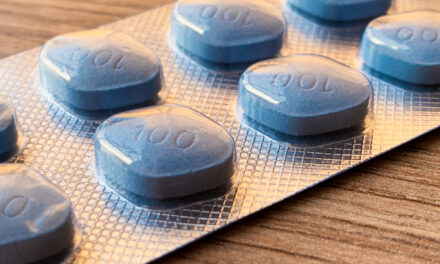
The Viagra label says sildenafil can be taken with or without food, but a high-fat meal slows absorption. On average the peak arrives about 60 minutes later and runs 29% lower, so the medicine may take a little longer to start working. The label gives no dose change for meals, and your prescriber sets your dose.
If you’ve wondered whether dinner changes how sildenafil works, you’re asking a fair question, and the answer is more specific than “take it on an empty stomach.” Sildenafil is the active ingredient in Viagra and in generic tablets. It belongs to a group of medicines called PDE5 inhibitors (phosphodiesterase type 5 inhibitors), which help blood vessels in the penis relax and fill when you’re already sexually aroused. Because the tablet is swallowed, whatever else is in your stomach can affect how quickly it’s absorbed into your blood.
That’s the heart of sildenafil and food. The prescribing information describes one clear effect, tied to a high-fat meal, and it describes it in terms of timing and peak level rather than a yes-or-no rule. This article walks through exactly what the Viagra label on DailyMed says, what a 2002 food-effect study added, and where the evidence stops. We also point out what is not established, such as how many hours to wait after eating, so you don’t fill the gaps with guesses.
Grapefruit and alcohol get a short orientation here, because people often ask about them in the same breath. For the full grapefruit story, read our sildenafil and grapefruit article, and for alcohol, see sildenafil and alcohol. If your main question is how soon the tablet starts to help, how long Viagra takes to work covers onset in detail.
Nothing here replaces your prescriber’s or pharmacist’s advice. The goal is to help you understand the label, spot when a meal might be part of a weak response, and arrive at an appointment with better questions.
- The label allows sildenafil with or without food, and it names one food effect: a high-fat meal delays the peak by about 60 minutes on average and lowers it by 29%.
- The patient information says that after a high-fat meal, such as a cheeseburger and french fries, the medicine may take a little longer to start working.
- The label does not define “high-fat” in grams, does not give a waiting time after meals, and does not change the dose for food.
- Grapefruit and alcohol matter enough to ask about, but each has its own article here; food never overrides the nitrate rule or the urgent warning signs.
- A weak response after a big meal is worth noting, not fixing on your own. Bring the details to your prescriber instead of taking extra tablets.
What the Label Says About Sildenafil and Food
Drug labels are the most reliable starting point for any food question, because they come from the manufacturer’s studies and are reviewed by the FDA. This section reads the Viagra label closely: what it permits, what it warns about, where each statement lives, and what it leaves out. Reading it carefully now makes the later sections easier to follow.
The short answer from the prescribing information
The label’s food guidance fits in two sentences, but each sentence does a different job. One tells you that food doesn’t stop you from taking the tablet. The other tells you what a certain kind of meal does to timing. Understanding both prevents two opposite mistakes: thinking food is irrelevant, or thinking any meal ruins the dose.
With or without food: what the label allows
Section 2.2 of the Viagra label says the tablet “may be taken with or without food.” The patient information repeats it: Viagra can be taken with or without food. MedlinePlus says the same in plain language. So you don’t need a meal, and you don’t need an empty stomach, to take the medicine as labeled.
Allowed isn’t the same as identical, though. The same label describes a food effect on absorption, which the next section covers. The practical reading is that food is permitted but can change timing. The labeled dose is 50 mg as needed about 1 hour before sexual activity, with a range of 25 mg to 100 mg and a maximum of once per day, and the label says the tablet may be taken anywhere from 30 minutes to 4 hours before activity. Your prescriber chooses your dose, and nothing in this article is a dosing instruction.
The high-fat meal sentence in plain language
The key sentence sits in the clinical pharmacology section: when Viagra is taken with a high-fat meal, the rate of absorption is reduced, with a mean delay of 60 minutes in reaching peak blood level and a mean 29% reduction in the peak concentration. “Mean” means average across study participants, so your own numbers could be shorter, longer, or smaller.
The patient information puts it in everyday terms. If you take Viagra after a high-fat meal, such as a cheeseburger and french fries, it may take a little longer to start working. Notice the wording: “longer to start,” not “won’t work.” The label frames the effect as a delay. Whether a lower peak also affects how well it works for a given person isn’t spelled out in the label, and we return to that question when we look at the urology guideline.
Where the food statement appears and who wrote it
A label isn’t one block of advice. It has sections written for different readers, and the food statement shows up in several of them with slightly different emphasis. Knowing which section you’re reading keeps you from mistaking a pharmacology measurement for a rule about your dinner plans.
Three places the label mentions food
The first is the dosing section, which says with or without food. The second is the pharmacokinetics section, which is the part of the label describing how the body absorbs, distributes, and clears a drug. This is where the 60-minute delay and the 29% lower peak are reported. The third is the patient information, written for you, which gives the cheeseburger example.
The table below lines the three up so you can see how a single fact is expressed at different levels of detail.
| Label location | What it says | What it means for you |
|---|---|---|
| Dosage and administration (Section 2.2) | May be taken with or without food | Food does not prevent use; no meal is required |
| Pharmacokinetics (Section 12.3) | High-fat meal: mean 60-minute delay to peak, mean 29% lower peak concentration | Absorption is slower and the peak is lower on average |
| Patient information | After a high-fat meal such as a cheeseburger and french fries, it may take a little longer to start working | A heavy meal can push back the start of the effect |
| MedlinePlus (NIH) | With a high-fat meal, it takes longer for the medication to start to work | Independent plain-language confirmation of the same point |
Source note: Viagra (sildenafil citrate) prescribing information and patient information, DailyMed, labeling revised 11/2023; MedlinePlus sildenafil page, last revised 08/15/2023. Quoted wording is abbreviated. The label is the authoritative text; ask your pharmacist for the leaflet that came with your own prescription.
What the label does not say about food
Gaps matter as much as statements. In the label version we reviewed, there is no definition of “high-fat” in grams or calories, no instruction to wait a set number of hours after eating, and no dose adjustment for meals. The label also doesn’t say that food changes the chance of headache, flushing, or stomach upset.
The Viagra label we opened also doesn’t mention grapefruit, although MedlinePlus advises talking to your doctor about grapefruit and grapefruit juice. Treat those silences as “not established,” not as “no effect.” If a source claims a precise waiting time or a specific number of grams of fat, ask where it came from, because the label doesn’t supply it.
How a Meal Changes Absorption and Timing
A tablet has a journey to make: it dissolves, crosses the lining of your gut, enters your bloodstream, and rises to a peak before the level slowly falls. Food can nudge the early part of that journey. Here is what the numbers say about the nudge, how big it was in a controlled study, and what it means for timing.
Absorption, peak, and the 60-minute delay
Pharmacology language can sound intimidating, but two terms do most of the work here: how long a drug takes to reach its highest blood level, and how high that level gets. Once you have those, the food numbers become easy to read.
Peak time and peak level in plain language
Tmax is the time to peak blood level, and Cmax is how high the peak gets. On an empty stomach the label reports that sildenafil reaches its peak within 30 to 120 minutes, with a median of 60 minutes. Its average absolute bioavailability is 41% (range 25% to 63%), which means that roughly four-tenths of a swallowed dose reaches the bloodstream unchanged, and that proportion varies from person to person.
With a high-fat meal, the label reports a mean delay in Tmax of 60 minutes and a mean reduction in Cmax of 29%. Put simply, the peak comes about an hour later and is lower. The terminal half-life, the time for the blood level to fall by half late in the process, is about 4 hours. The label does not present the food effect as changing the half-life, and half-life is not the same as how long the medicine helps.
What the 2002 food-effect study added
A set of three crossover studies in healthy men, published in 2002 in the British Journal of Clinical Pharmacology, tested food directly. In the food-effect study, 34 men took a 100 mg dose once fasted and once fed, in random order. Food delayed the mean peak time by about 1 hour and cut the peak concentration by 29%. It also reduced AUC, the total drug exposure over time, by 11%.
That last number is useful because it shows the meal mostly changed when and how high, and changed how much only modestly. The limits are real, though. The participants were healthy men, they took a single dose, and the abstract says “fed” without specifying a high-fat meal. The study measured blood levels, not erections, so it can’t tell you how a particular dinner will affect a particular evening.
| Measure | Fasted (label) | With a high-fat meal (label) | Fed vs fasted, 100 mg crossover study |
|---|---|---|---|
| Time to peak (Tmax) | 30 to 120 minutes, median 60 | Mean delay of 60 minutes | Mean delay of about 1 hour |
| Peak concentration (Cmax) | Reference value | Mean reduction of 29% | Reduced 29% (90% CI 19 to 38) |
| Total exposure (AUC) | Reference value | Not reported here | Reduced 11% (90% CI 6 to 16) |
| Half-life | About 4 hours | Not described as changed | Not the focus of the food analysis |
Source note: Viagra prescribing information, Section 12.3 (DailyMed, revised 11/2023); Br J Clin Pharmacol 2002;53 Suppl 1:5S-12S (PubMed 11879254). Averages from healthy volunteers. The label sections reviewed do not report an AUC change for the high-fat meal, so that cell reads “Not reported here.”
What a slower, lower peak means in practice
Numbers from healthy volunteers need translating before they’re useful. The two sub-questions are whether a meal changes when you can expect the medicine to help, and how that fits with the timing window the label gives you.
A later start, not a different medicine
Sildenafil after a meal is the same molecule doing the same job. What shifts is the schedule. If the peak arrives about an hour later on average, then the point at which the medicine is at its most helpful moves later too. That is consistent with the patient information, which says it “may take a little longer to start working.”
The modest 11% change in total exposure in the study suggests the meal didn’t remove much of the dose, only spread it out. Still, the label doesn’t turn those blood-level changes into predictions about erection quality, so we won’t either. If you want the broader picture of onset times, how long Viagra takes to work covers what affects the start, including arousal, dose, and individual variation.
Why the 30-minute-to-4-hour window matters
The label says Viagra may be taken anywhere from 30 minutes to 4 hours before sexual activity. That flexible window is the practical context for the food effect. A delay of about an hour on average fits inside a window that spans several hours, which is why the label can say food is acceptable while still noting a slower start.
What the label doesn’t tell you is where to sit in that window after a large meal. That’s a good question for your prescriber, who knows your dose, your other medicines, and your health history. For how long the window of benefit lasts once it opens, see how long Viagra lasts. Don’t extend the window by taking a second tablet; the label’s maximum recommended frequency is once per day.
Meal Size, Meal Type, and Timing: What Is and Is Not Known
“High-fat meal” sounds precise, but in everyday life it’s anything but. A salad with a little dressing, a slice of pizza, a steak dinner, and a late-night burger are very different plates. This section looks at what the label means by the phrase, what the evidence leaves open, and how to plan around meals without improvising on your own.
What counts as a high-fat meal
The label uses one example instead of a definition, and other sources add a few clues. Putting them together shows how much is settled and how much isn’t. The honest picture is that the extremes are clear and the middle is fuzzy.
The cheeseburger-and-fries example
The patient information gives a single concrete picture: a cheeseburger and french fries. That’s a large, heavy, fatty plate, and it’s what the label means when it says the medicine may take a little longer to start working. The pharmacokinetics section reports the 60-minute delay and 29% lower peak for “a high fat meal” without listing the study meal’s calories or grams of fat in the parts we reviewed.
It’s tempting to treat any rich meal as “in the same family” as the cheeseburger, such as fried dishes, creamy sauces, or very large portions. That’s a reasonable way to think about when to ask a question, but it isn’t a measured threshold. The label does not say where a meal stops counting as high-fat, and we haven’t found a source that does. When a number isn’t established, it’s better to say so than to invent a cutoff.
Large meals, light meals, and snacks
The urology guideline adds a second clue. In its discussion of treatment failure, the American Urological Association guideline lists “medication taken with a large meal” as an example of incorrect use. So both size and fat content appear in the sources, though neither is defined with a number.
What about a light meal or a snack? Not established. The food-effect study compared “fed” and “fasted” states, and the label’s statement concerns a high-fat meal specifically. We can’t tell you that a sandwich is fine or that it isn’t. The practical response to a gap like this is to ask your pharmacist or prescriber how they handle it for patients on your dose, and to notice what happens on your own occasions.
Planning around meals without improvising
Planning isn’t the same as self-dosing. You can think about when you’ll eat, when you’ll take the tablet, and when intimacy might happen without changing the dose, doubling up, or skipping instructions. The goal is to reduce surprises and to know what to ask.
Empty-stomach advice versus “with or without food”
You may see two messages that seem to conflict. Mayo Clinic says sildenafil works best on an empty stomach about an hour before sex, and that the body takes longer to absorb it after a high-fat meal or alcohol. The label says it may be taken with or without food.
These statements answer different questions. The label is about permission: food doesn’t make the medicine unsafe or unusable. Mayo’s wording is about speed: an empty stomach gives the quickest absorption. Neither one asks you to fast. If you have a health condition or take another medicine where skipping meals could be unsafe, such as treatment for diabetes, ask your clinician before changing how you eat around any dose.
Questions to ask about timing
Because the label stops short of a waiting time, your prescriber’s judgment fills the gap. A few questions turn a vague worry into a useful answer:
- On my dose, how do you suggest I think about timing if I’ve had a large or fatty meal?
- Is it reasonable for me to use the full 30-minute-to-4-hour window the label describes?
- Do any of my other medicines or health conditions change how I should time it?
- What should I do if I’m not sure whether a meal affected the result?
Write the answers down. If you’ve ever wondered whether your pharmacist can answer these, the answer is often yes, since they see your full medication list.
Devon, a fictional 52-year-old, has a prescription for sildenafil and a reservation at a restaurant known for rich, generous plates. He’s thinking about the evening and wonders whether a big meal will change how the tablet behaves. He remembers the label’s cheeseburger line and doesn’t want to guess.
Instead of changing anything himself, Devon calls his pharmacist the day before and asks how the food effect applies to his dose and to the other medicine he takes. He writes down the answer, keeps his dose exactly as prescribed, and decides to treat the evening without pressure, since a slower start isn’t a failure. If the timing doesn’t work out, he plans to note what he ate and when he took the tablet, then bring that to his next visit. He doesn’t plan to take a second tablet, because the label’s maximum is once per day.
Hypothetical scenario for illustration only. It does not describe a real person and is not individualized medical advice.
When a Meal May Be Part of a Weak Response
If sildenafil didn’t seem to work, food is one of several explanations worth checking, but it’s rarely the only one. This section separates the evidence about incorrect use from other explanations, so you can look at the whole picture before deciding what to raise with your clinician.
Incorrect use and treatment failure
Clinicians often ask how the medicine was taken before they question whether it can work. The reason is simple: some of what looks like failure turns out to be a mismatch between instructions and real life. Food is one of the common mismatches.
What the AUA guideline says about misuse
The AUA guideline includes a recommendation that men prescribed an oral PDE5 inhibitor receive instructions to maximize benefit (Statement 9). In the discussion, the guideline reports that incorrect use, such as a lack of sexual stimulation or taking the medication with a large meal, accounts for 56% to 81% of treatment failures. It also reports that when men were re-educated about appropriate use, including medication-specific requirements, treatment success rose from 23.6% to 58.5%.
Read those figures carefully. They come from the guideline’s review of studies and cover several medicines and several kinds of misuse, so they don’t isolate the effect of food on sildenafil. They do show that how and when you take the medicine can matter a great deal, and that education is a standard part of care. If you’re troubleshooting, Viagra not working walks through the broader review.
Stimulation and more than one try
The Viagra label states that sildenafil at recommended doses has no effect in the absence of sexual stimulation. In other words, it supports an erection when you’re aroused; it doesn’t create arousal. The AUA guideline adds that more than one trial with the medication may be required to establish how well it works.
That’s an honest and relieving fact: one disappointing night is not a verdict. The guideline doesn’t set a magic number of attempts here, and we won’t either. A useful habit is to keep brief notes on each attempt, covering the dose taken, the time, what you ate, and what the situation felt like. Those notes make a later conversation with your clinician far more productive than memory alone.
Luis, a fictional 47-year-old, takes a prescribed dose of sildenafil about an hour before intimacy after a large holiday meal with fried dishes and dessert. Things don’t go as hoped, and he concludes the medicine has stopped working. He feels tempted to take another tablet the next morning to make up for it.
A more useful reading starts with the facts. The label says a high-fat meal can delay and lower the peak, and the guideline lists large meals among causes of apparent failure. Luis holds off on extra tablets, since the label’s maximum is once per day, and writes down what he ate, when he took the tablet, and how stressed he felt. He brings those notes to his prescriber, who can sort out timing, dose, and other possible explanations together with him.
Hypothetical scenario for illustration only. It does not describe a real person and is not individualized medical advice.
Other explanations that can look like a food problem
A meal is easy to blame because it’s visible. Other contributors are quieter but just as important. Looking at them keeps you from over-attributing a result to dinner and under-attributing it to something your clinician could help with.
Health, stress, and other causes of ED
Erectile dysfunction has many possible contributors, including blood vessel health, nerve function, hormones, medicines, and stress or anxiety. Those contributors can affect response to any ED treatment, regardless of what you ate. Our causes-of-ED guide lays out the common factors, and the performance anxiety discussion elsewhere on this site explains how worry about performance can interfere in a cycle of its own.
If you notice that results are inconsistent regardless of meals, that pattern itself is information. A weak response on an empty stomach points away from food as the main explanation. Describing the pattern matters more than naming a cause, and sorting out the cause belongs to a clinician who can examine you and review your history.
Medicines and body factors that change exposure
Meals aren’t the only thing that changes how much sildenafil your body sees. The label says sildenafil is cleared mostly by an enzyme called CYP3A4. It advises considering a 25 mg starting dose for people older than 65, people with liver impairment, people with severe kidney impairment, and people taking strong CYP3A4 inhibitors such as ritonavir.
Those are prescriber decisions, not reader decisions, but they show why the same tablet can behave differently in different people. For details on dosing logic, see Viagra dosage explained. The takeaway for this article: tell your prescriber and pharmacist about every medicine and supplement you take, because an interaction may explain a result that you’ve been attributing to dinner.
Grapefruit, Alcohol, and Safety Rules No Meal Changes
Food questions rarely stop at the plate. Drinks come up, and so do worries about other medicines. This section gives grapefruit and alcohol a short orientation and points you to the full articles. It then covers the safety rules that stay exactly the same whether you’ve eaten or not, because those matter most.
Grapefruit and alcohol in brief
Both topics have their own deeper treatment here, so the goal is a quick, accurate summary of what the best sources say and what they don’t. In each case, the point is to know what to ask, not to settle the question alone.
Grapefruit: what to know in short
The FDA’s consumer update explains that many drugs are broken down by an enzyme called CYP3A4 in the small intestine, and that grapefruit juice can lower that enzyme’s activity so more drug enters the blood. It adds that the effect depends on the drug and the person, and that Seville oranges, pomelos, and tangelos might act similarly. The page does not name sildenafil.
The Viagra label says sildenafil is cleared mainly by CYP3A4, but the version we reviewed doesn’t mention grapefruit. MedlinePlus simply advises you to talk to your doctor about grapefruit and grapefruit juice. We can’t give amounts or timing, because they aren’t established in the sources we opened. For the full picture, see sildenafil and grapefruit.
Alcohol: what to know in short
In the Viagra label’s interaction section, 50 mg of sildenafil did not increase the blood-pressure-lowering effect of alcohol (0.5 g/kg) in healthy volunteers. That is one amount, in healthy volunteers, studied once. It doesn’t tell you what happens with heavier drinking or with other medicines that lower blood pressure.
Two other sources add context. Mayo Clinic says the body takes longer to absorb sildenafil after a high-fat meal or alcohol. NIDDK lists limiting or stopping alcohol as a lifestyle change that can help with erectile dysfunction in general. One reassuring test is not a green light for any amount, so it’s worth asking your prescriber what is reasonable for you. Sildenafil and alcohol goes into the details.
Safety rules that no meal changes
Dinner can change timing, but it cannot change what a medicine is dangerous with. The warnings below come from the label and apply whether you’ve eaten a salad, a steak, or nothing at all.
Nitrates, riociguat, and blood pressure medicines
The label contraindicates sildenafil with nitric oxide donors such as organic nitrates or organic nitrites in any form, and with guanylate cyclase stimulators such as riociguat, because the combination can drop blood pressure to dangerous levels. The patient information also names street drugs called “poppers” (amyl or butyl nitrite). For more, read ED medication and nitrates.
The label also advises caution with alpha-blockers, a medicine class often used for prostate symptoms or blood pressure, and says to be stable on an alpha-blocker before starting. It notes that sildenafil may further lower blood pressure in people on antihypertensives. See sildenafil and blood pressure medications. The label’s nitrate wording concerns medicines and nitrites; it doesn’t discuss vegetables, so ask your pharmacist if you’re unsure. It also says combining sildenafil with other PDE5 inhibitors isn’t recommended.
| Situation | Question to settle | Safe next step |
|---|---|---|
| Large, fatty meal before a planned dose | How should I think about timing on my dose? | Ask your pharmacist or prescriber; do not add tablets |
| Daily grapefruit or other citrus juice | Does it matter with my medicines? | Name it when you review your list with a pharmacist |
| Alcohol with dinner | How much is reasonable for me? | Ask your prescriber; see the alcohol article here |
| You take a nitrate medicine, or use poppers | Is sildenafil safe at all? | Do not take it; get medical advice first |
| You take an alpha-blocker or blood pressure medicine | Do I need a different plan? | Tell the prescriber; do not start without advice |
Source note: Viagra prescribing information and patient information (DailyMed, revised 11/2023); FDA consumer update on grapefruit (content current as of 07/01/2021); NIDDK, reviewed October 2024. A preparation aid. It does not replace advice from the clinician who prescribes your medicine.
Urgent symptoms food does not change
Some symptoms need prompt care no matter what you ate. According to the label and patient information, an erection that lasts more than 4 hours means get medical help right away. Sudden vision loss in one or both eyes means stop taking the medicine and call your healthcare provider right away. Sudden decrease or loss of hearing, sometimes with ringing or dizziness, means stop and contact a doctor right away. Chest pain, dizziness, or nausea during sex means stop sexual activity and get medical help.
These warnings apply on a full stomach and an empty one. The same goes for fainting or severe lightheadedness. If any of these happens, don’t wait to see whether it passes and don’t try to explain it away with a meal or a drink. Emergency care is the right call.
Never take sildenafil if you use nitrate medicines, poppers, or riociguat. An erection lasting more than 4 hours, sudden vision loss, sudden hearing loss, or chest pain needs urgent medical help. Do not take extra tablets to make up for a meal or a weak result; the labeled maximum is once per day.
Sildenafil and Other PDE5 Inhibitors: Food Differences
Food effects aren’t the same across ED medicines, which is one reason people ask whether switching drugs would solve a meal problem. This section shows what the urology guideline says about food for each medicine, how far that comparison goes, and how sturdy each food-related claim actually is.
How the urology guideline compares food effects
The AUA guideline includes a table that sets four oral medicines side by side, including a column on food. It is a handy overview, and it deserves a careful reading rather than a quick takeaway.
What the guideline table shows
According to the AUA guideline’s summary table, a high-fat meal decreases efficacy for sildenafil and for vardenafil. Food does not affect avanafil or tadalafil. That is a one-line summary, and it’s the reason tadalafil and avanafil sometimes come up in meal conversations.
Notice the difference in wording. The Viagra label says a high-fat meal may make the medicine take longer to start working, while the guideline table says it decreases efficacy. The two are not contradictory, since they come from different documents with different purposes, but they emphasize different consequences. The label reports blood-level changes, and the guideline summarizes clinical impressions of effect.
| Medicine | Food effect listed in the guideline | Where to read more |
|---|---|---|
| Sildenafil | High-fat meal decreases efficacy | This article and the dosage and onset guides |
| Vardenafil | High-fat meal decreases efficacy | Vardenafil comparison articles on this site |
| Tadalafil | Not affected | The tadalafil and food article |
| Avanafil | Not affected | The avanafil comparison articles |
Source note: American Urological Association, Erectile Dysfunction guideline (2018), Table 3, food column. A summary table, not a head-to-head trial. Labels may have been updated since 2018; check the current label for any medicine.
Limits of this comparison
A food column is one factor among many. The guideline table is a summary, dated 2018, and it isn’t a head-to-head trial in which men were randomly assigned to different drugs and meals. Each drug also differs in how long it lasts, what it interacts with, what side effects it tends to cause, and what dose forms exist. Choosing a medicine on the food column alone would ignore most of what matters.
That said, it’s fair to bring meal habits to the conversation, especially if your schedule makes empty-stomach timing hard. Your prescriber can weigh food against everything else. For how the two best-known medicines differ overall, read sildenafil vs. tadalafil. For tadalafil and meals specifically, see tadalafil and food.
How strong is each food-related claim?
Not every statement about sildenafil and food has the same backing. Sorting claims by strength helps you decide which to rely on, which to hold loosely, and which to ask about.
What is best supported
The best-supported claim is the pharmacokinetic one: a high-fat meal delays the peak by about an hour and lowers it by about 29% on average. It appears in the FDA-reviewed label and matches the 2002 crossover study, in which food produced the same 29% reduction. Both involved healthy volunteers under controlled conditions.
Also well supported is the plain permission: the label, MedlinePlus, and Mayo Clinic all agree you may take sildenafil with food, and that a heavy meal can slow the start. Calling this “well supported” has a boundary, though. It describes blood levels in healthy men, not erections in real life, and it says nothing about your own body’s response.
What is weaker or not established
Several popular claims lack a solid source. We found no established threshold for how much fat counts as “high-fat,” no standard waiting time after a meal, and no clear evidence about snacks or light meals. Whether meals change headache, flushing, or stomach upset is also not established in the sources we reviewed.
The effect on erection quality is likewise not quantified; the label discusses delay and lower peak, while the guideline table calls it decreased efficacy. When evidence is limited, say so and ask. If a website gives a confident number of hours to wait or grams of fat to avoid, check whether it cites the label. Commercial pages aren’t clinical authorities, and a number without a source is just a guess.
Common Questions About Sildenafil and Food
The same handful of questions come up again and again. The answers below stay close to the sources and say “not established” where the evidence runs out. They’re grouped into questions about meals and timing, and questions about side effects and product versions.
Questions about meals and timing
These two questions are about the basic logistics: whether food is allowed, and whether you need to build in a gap. They sound similar, but the evidence behind each is very different.
Can I take sildenafil with food?
Yes. The Viagra label says the tablet may be taken with or without food, and the patient information and MedlinePlus agree. Food is allowed, but a high-fat meal can delay absorption, so the medicine may take a little longer to start working. If you took the tablet with a heavy meal, nothing in the label suggests an emergency or a reason to panic.
The detail worth remembering is that “with food” covers a lot of ground. A light snack and a large, greasy dinner aren’t the same thing, and the sources only measured or described the second. If your usual routine involves a big dinner, tell your prescriber so the advice you get is tailored to the way you actually live.
How long should I wait after eating before taking it?
Not established. The label gives no waiting time after meals, and we found no authoritative source that sets one. What the label does give is the 30-minute-to-4-hour window before sexual activity, plus the average 60-minute delay in the peak after a high-fat meal.
You might be tempted to do the math yourself, such as adding an hour to the usual timing. That’s a guess, not a rule, and it may not suit your dose, age, or other medicines. A better approach is to ask your pharmacist or prescriber how they would apply the window to you, then notice your own pattern over a few occasions. Keeping notes, as described in the earlier checklist, makes this easier.
Questions about side effects and product versions
Readers also ask whether food can soften side effects and whether a generic tablet follows the same food guidance. Both questions have the same honest core: the answer depends on a source you should check yourself.
Does eating first reduce headaches or an upset stomach?
Not established. The label reports side effects from its fixed-dose studies but doesn’t link them to meals. At 50 mg, 21% of participants reported headache, 19% flushing, and 9% dyspepsia (indigestion), compared with 7%, 2%, and 2% on placebo. At 100 mg the figures were 28%, 18%, and 17%.
Because the label doesn’t connect those numbers to food, we can’t promise a meal helps or hurts. If side effects are bothersome, don’t solve them by skipping or doubling doses. Tell your prescriber, who can review the dose and your other medicines. For the safety picture, read sildenafil side effects, and remember the urgent signs listed earlier always come first.
Does the food guidance differ for generic sildenafil?
We haven’t verified whether each generic label words the food statement identically, so we can’t promise it does. This article uses the Viagra label because it’s the reference label for the brand. Generic sildenafil tablets for ED come with their own leaflets, and wording can vary in small ways.
The easy fix is to ask your pharmacist for the leaflet for the exact product you receive and compare its food statement with the one described here. If you ever notice a difference, point it out to your pharmacist or prescriber. For how brand and generic products compare more broadly, see Viagra vs. generic sildenafil.
Your Next Steps
You don’t need a perfect understanding of pharmacology to act on what you’ve read. A few simple habits, plus a short conversation with the right person, usually turn uncertainty into a plan. This section shows what to track, what to bring, and how to use sildenafil safely around meals.
Prepare for the conversation
A visit goes best when you arrive with specifics. Clinicians can interpret a note about timing and meals far better than a general impression that it “didn’t work.”
What to track
Over a few occasions, record the date, the time you took the tablet, and the dose exactly as prescribed. Add what you ate and drank beforehand and how large the meal was. Then note how long it took before you felt the medicine helping, and whether you felt aroused, rushed, stressed, or tired. Observation is the goal, not experimentation. Please don’t change your dose, timing, or meals on your own just to collect better data.
If you’re unsure how to describe a meal, plain words are fine: “large fried dinner,” “light salad,” “nothing since lunch.” You also don’t need to write an essay. A few lines on your phone are enough, and they’ll help your clinician look for patterns across several tries.
What to bring to the visit or pharmacy
Bring your notes, plus a complete list of everything you take, including prescriptions, over-the-counter products, supplements, and drinks you have often, such as grapefruit juice or alcohol. Also bring the questions that matter most to you. A written list beats memory in a short appointment, when it’s easy to remember the question you forgot only after you’ve left. If you can, show your pharmacist the actual bottle or leaflet, since the product name, strength, and manufacturer on it help them check your exact tablets. The table below organizes this into three columns so nothing slips away.
| What to note | Why it helps | What to bring up |
|---|---|---|
| Meal size and type before each dose | Label links a high-fat meal to a delayed, lower peak | “Does my usual dinner change how you’d advise timing?” |
| Time between the tablet and activity | Shows whether you used the label’s 30-minute-to-4-hour window | “Is my timing a good fit for my dose?” |
| All medicines and supplements | Nitrates, alpha-blockers, blood pressure medicines, and CYP3A4 inhibitors change safety and exposure | “Do any of my medicines interact with sildenafil?” |
| Grapefruit and alcohol habits | These can raise questions about interactions and absorption | “How much, if any, is reasonable for me?” |
| Side effects or concerns | Helps your clinician judge dose and safety | “Which symptoms mean I should stop and call?” |
Source note: Original editorial checklist based on the Viagra label (DailyMed, revised 11/2023), the AUA guideline (2018), and NIDDK guidance (reviewed October 2024). A conversation aid, not a self-diagnosis or treatment plan.
Using sildenafil safely around meals
Safety habits are mostly about who you ask and where the medicine comes from. These two steps protect you more than any meal-timing trick.
Who to ask and what to expect
Your pharmacist is often the fastest source of answers about food, grapefruit, and interactions, since they can see your whole medication list. Your prescriber decides the dose and can judge whether timing, age, or other conditions matter. If your questions go beyond that, such as ongoing weak response, a urologist or other specialist can look at the bigger picture.
For how care works in practice, including who to see and how access and costs tend to work, read how to get ED treatment. Expect a clinician to ask how and when you take the tablet. That’s routine, and you can answer plainly without embarrassment.
Getting the medicine safely
NIDDK advises: do not order an ED medicine online before talking with a health care professional. A prescription from a clinician who knows your history is the starting point for everything in this article, including the food guidance. Pills of unknown origin can’t be matched to any label, so none of the food statements here can be assumed to apply to them.
Tell your prescriber and pharmacist about every medicine and supplement you use, since NIDDK also stresses that interactions can cause serious problems. Never take extra tablets to make up for a meal or a weak result. And if you ever notice an urgent sign, such as an erection beyond 4 hours or sudden vision or hearing loss, treat it as an emergency, not a question for later.
Pick one calm moment, such as a pharmacy visit or a portal message, to ask your two or three most important questions. A short, specific note usually gets a clearer answer than a long list.
Sildenafil and food come down to one well-supported fact and several honest unknowns. The fact is that a high-fat meal slows absorption: the peak arrives about an hour later on average and runs about 29% lower, which is why the label says the medicine may take a little longer to start working. The unknowns include where “high-fat” begins, how long to wait after eating, and whether lighter meals matter. Saying so is better than pretending the answer is simple.
The label also leaves you plenty of room. You can take the tablet with or without food, the dosing window spans several hours, and your prescriber sets the dose. The rules that don’t bend are the safety ones, such as the nitrate and riociguat warnings and the signs that need urgent care, and no meal changes those.
If a result puzzles you, treat it as information. Write down what happened, what you ate, and what else you take. Then ask your pharmacist or prescriber to help you read the pattern. For the bigger picture, the comparison in sildenafil versus tadalafil and the timing guide on how long Viagra takes to work are good places to continue.
Sources and further reading
- Viagra (sildenafil citrate) label: DailyMed , prescribing and patient information; dosing, food effect, interactions, warnings (revised 11/2023)
- Sildenafil: MedlinePlus , NIH drug information; food, grapefruit, timing, urgent signs (last revised 08/15/2023)
- Pharmacokinetics of sildenafil after single oral doses in healthy male subjects: Br J Clin Pharmacol, PubMed , 2002 food-effect crossover study (fed vs fasted)
- Erectile Dysfunction guideline: American Urological Association , Statement 9, misuse and treatment failure, food column of Table 3 (2018)
- Erectile dysfunction: Mayo Clinic , empty stomach, high-fat meal and alcohol absorption (January 21, 2026)
- Grapefruit juice and some drugs don’t mix: FDA consumer update , CYP3A4 and grapefruit (content current as of 07/01/2021)
- Treatment for erectile dysfunction: NIDDK , alcohol, online ordering, interactions, urgent signs (reviewed October 2024)
Source links were checked on October 12, 2026. Guidance, drug labeling, prices, and availability can change, so confirm current details with an official source or your clinician.