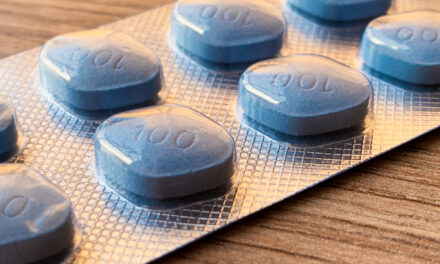
Sildenafil is a prescription pill that helps many men with erectile dysfunction get and keep an erection firm enough for sex, but it isn’t a cure, it needs sexual stimulation to work, and it’s dangerous with nitrate medicines. A clinician should review your heart health, your other medicines, and your goals before you take it.
If you’re researching sildenafil for erectile dysfunction, you’re probably trying to answer a few practical questions at once. Will it work for me? Is it safe with my health conditions and medicines? And what does a sensible first conversation with a clinician look like? Sildenafil is the active ingredient in Viagra and in several generic tablets. It belongs to a group of prescription medicines called PDE5 inhibitors (phosphodiesterase type 5 inhibitors), which help blood flow into the penis when you’re sexually aroused. It supports your body’s own response; it doesn’t create desire or produce an erection on a timer.
The numbers behind it are encouraging, with limits. In the placebo-controlled trials summarized in the Viagra prescribing information, 63% to 82% of men taking 25 to 100 mg said their erections improved, compared with 24% taking a placebo. That is a meaningful difference, and it also means results vary, and many men don’t get what they hoped for on the first try. A 2024 review in the Cleveland Clinic Journal of Medicine notes that PDE5 inhibitors help only 60% to 70% of patients in practice, and that incorrect use accounts for a large share of treatment failures.
This guide covers what sildenafil is, how it works, what causes ED in the first place, and what the research does and doesn’t show. It then walks through what the labeling says about dose and timing, which medicines and conditions limit its use, what side effects to expect, what to do when it disappoints, and how care and costs usually work. Along the way you’ll find links to focused guides on side effects, dosage, how long it takes to work, and how long Viagra lasts. For the broader picture of causes, tests, and every treatment option, see the ED overview. For how sildenafil stacks up against its closest relative, see sildenafil vs. tadalafil.
A few terms come up often. Erectile dysfunction (ED) means trouble getting or keeping an erection firm enough for sex; the National Institute of Diabetes and Digestive and Kidney Diseases (NIDDK) says 30 to 50 million men in the United States have it and that it is not a routine part of aging. A contraindication is a situation in which the labeling says a medicine must not be used. Labeling means the official FDA-approved prescribing information, which is where we get doses, timing, and warnings.
ED also deserves attention beyond the pill. The American Urological Association (AUA) ED guideline-guideline) describes ED as a risk marker for underlying cardiovascular disease and other health conditions. That’s one reason a prescription conversation should include your blood pressure, your heart, your mental health, and every medicine and supplement you take.
A note on purpose. This is general education, not a recommendation to take sildenafil, and it can’t tell you whether it’s right for you or what dose to use. That belongs to you and a licensed clinician. Drug facts here come from FDA labeling, and we say so when evidence is limited. Sources were last checked on October 12, 2026.
- Sildenafil improves erections for many men with ED, but not all; label trials found improvement in 63% to 82% on active drug versus 24% on placebo.
- It requires sexual stimulation and works for a limited window, so timing, food, and realistic expectations matter.
- It is contraindicated with nitrates and riociguat, and several other medicines and conditions call for caution or a lower starting dose.
- A clinician sets the dose, checks your heart and medicines, and looks for underlying causes; never combine, stop, or change medicines on your own.
Sildenafil for Erectile Dysfunction: What It Is and What It Does
Before getting into evidence and safety, it helps to be clear about what sildenafil actually is and what it is meant to do. It is a targeted medicine for one specific problem, with a defined mechanism and defined limits. This section covers the drug itself, the forms you may see, and the difference between helping an erection happen and addressing why it isn’t happening.
What sildenafil is
Sildenafil is one of the most widely discussed prescription medicines in men’s health, so it’s easy to pick up assumptions about it. The next two parts stick to what labeling and government health sources actually say.
A PDE5 inhibitor approved for ED
PDE5 is an enzyme found in tissue of the penis. Sildenafil blocks it, which is why the drug class is called a PDE5 inhibitor. The Viagra label lists a single indication: treatment of erectile dysfunction. It also states that Viagra is not indicated for females or for children.
It is a prescription medicine, and the labeling spells out who must not take it. A contraindication is a firm “do not use” rule, and sildenafil has three: organic nitrates or nitrites in any form, guanylate cyclase stimulators such as riociguat, and known allergy to sildenafil or a tablet ingredient. Much of the safety guidance later in this guide traces back to those rules, so it’s worth noticing them at the start.
NIDDK describes PDE5 inhibitors simply as oral medicines that improve blood flow to the penis and says they may help you get and keep an erection. It’s also worth knowing that a prescription involves a conversation, not just a pill. The AUA guideline recommends that clinicians inform men about FDA-approved oral PDE5 inhibitors, including benefits and risks, unless they’re contraindicated, which makes sildenafil one option within shared decision-making rather than an automatic answer.
Brand, generic, and newer forms
Sildenafil is sold under the brand name Viagra, and generic sildenafil tablets are also available. A generic sildenafil label on DailyMed, the federal drug-label database, was revised in April 2025 and lists the same indication, strengths of 25, 50, and 100 mg, and the same dosing and contraindications. The FDA says a generic medicine has the same active ingredient, strength, dosage form, and route as the brand-name drug and is bioequivalent to it. Our guide to Viagra vs. generic sildenafil covers that comparison in full.
There’s also a newer form. The Vybrique label, revised in December 2025, describes a sildenafil oral film that dissolves on the tongue without water, in 25, 50, 75, and 100 mg strengths. The label says its efficacy was established in part on data from the tablet. Mentioning it isn’t a recommendation; it simply shows that “sildenafil” can mean more than one product.
Finally, sildenafil is also used for pulmonary arterial hypertension, high blood pressure in the lungs, under other brand names. MedlinePlus advises that only one sildenafil brand be used at a time. The table below lays out the product types you may run into.
| Product type | Used for (per labeling) | Strengths named in labeling | Point to know |
|---|---|---|---|
| Viagra brand tablets | Erectile dysfunction | 25, 50, 100 mg | Blue diamond-shaped film-coated tablet; once per day at most |
| Generic sildenafil tablets (ED) | Erectile dysfunction | 25, 50, 100 mg | Same indication and contraindications as the brand label; appearance differs by manufacturer |
| Vybrique oral film | Erectile dysfunction | 25, 50, 75, 100 mg | Placed on the tongue, no water; label says efficacy established in part on tablet data |
| Sildenafil for pulmonary arterial hypertension | A lung blood-pressure condition | Not covered in this guide | A different product and schedule; MedlinePlus says use only one sildenafil brand at a time |
Source note: Viagra and generic sildenafil labeling on DailyMed (2023 and 2025 revisions); Vybrique FDA label (December 2025); MedlinePlus sildenafil (August 15, 2023). Labeling can change; the product your pharmacist gives you has its own current label and patient information.
What it can and cannot do
Knowing the limits matters as much as knowing the benefits, because many disappointing first experiences come from expecting more than the medicine is designed to deliver.
Blood flow, not desire
The Viagra label states that sildenafil at recommended doses has no effect in the absence of sexual stimulation. In plain terms, you still need to be aroused. If you take a tablet and nothing is happening mentally or physically, the medicine has little to work with. It isn’t an aphrodisiac, and it doesn’t act on libido.
This distinction matters for the way you read your own situation. Trouble with erections and trouble with interest in sex are different problems, even though they can overlap. If low desire is the main concern, a blood-flow medicine is aimed at a different target, and our guide to low libido in men is a better starting point. Stress, relationship strain, and depression can dampen both desire and erections at once, which is one reason a clinician usually asks about both.
It also helps to know what “works” looks like. The goal isn’t an erection that appears instantly or stays rigid regardless of mood. It’s an erection that responds more reliably once arousal begins. Sexual stimulation is part of the treatment plan, so plan for time, comfort, and a low-pressure setting rather than a stopwatch.
A symptom treatment, not a cause treatment
Sildenafil helps blood flow when you need it; it doesn’t repair the blood vessels, nerves, hormones, or stress patterns that may be behind ED. Think of it as managing the symptom while the underlying question stays open. That doesn’t make it a poor choice. It means the medicine and the workup go together.
The AUA treats ED as a risk marker for cardiovascular disease and other conditions, and recommends measuring morning total testosterone in men with ED. Diabetes, high blood pressure, sleep problems, medicines, and mood conditions can all contribute. Our ED overview explains the workup, and the section on causes later in this guide gives the short version.
There’s an honest flip side. Because the pill works on the final step, men sometimes feel a “good” response is proof that nothing else needs attention. It isn’t. A strong response doesn’t rule out heart disease, diabetes, or a medicine side effect, so it’s reasonable to keep those conversations going even if the tablet works well. And if you stop responding after doing well for a long time, treat that as a reason to check in, not to raise the dose on your own.
How Sildenafil Works in the Body
Understanding the mechanism makes the rest of the guide easier to follow, because the same few ideas explain the timing, the food effects, the side effects, and the safety limits. This section starts with how an erection normally happens and then follows a tablet through your body.
From arousal to erection
An erection is a blood-flow event guided by nerves and chemical signals. Sildenafil changes just one step in that chain, which is why its effects are specific and its limits are predictable.
The nitric oxide and cGMP signal
When you’re sexually aroused, nerves and cells in the penis release a chemical messenger called nitric oxide. According to the label’s description of the mechanism of action, nitric oxide raises levels of a second messenger called cGMP in the spongy erectile tissue (the corpus cavernosum). cGMP relaxes smooth muscle and lets arteries widen so blood can fill the tissue.
That chain explains several things at once. It explains why arousal comes first: without the initial nitric oxide release, there is little signal to amplify. It explains why a healthy blood supply and intact nerves matter: both are needed to start and carry the signal. And it explains why mental state matters, since stress and worry can interfere with the nerve signals that start the process.
It also hints at the main safety rule. Nitrate medicines, such as nitroglycerin used for chest pain, also act through nitric oxide pathways to widen blood vessels. Combine them with a PDE5 inhibitor and the combined effect on blood pressure can be dangerous. That’s why nitrates are a contraindication, a point we return to in the safety section.
Where PDE5 enters and what the pill changes
Once cGMP has done its job, an enzyme called PDE5 breaks it down, which ends the erection signal. The label says sildenafil enhances the effect of nitric oxide by inhibiting PDE5, so cGMP levels stay higher for longer in the erectile tissue. The result is that the “relax and fill” signal lasts better once arousal has started.
Notice what didn’t change: the signal still has to start. This is why the label says the medicine does nothing without sexual stimulation, and why the effect is supportive rather than automatic. It’s also why sildenafil can’t make up for severely damaged blood vessels or nerves, though it may still help partly in those situations.
PDE5 isn’t the only member of its family. The label says sildenafil is about 10-fold more potent against PDE5 than against PDE6, an enzyme in the retina of the eye. That overlap is the label’s explanation for the temporary color tint some men notice at higher doses. We cover that effect, and why it differs from the rare serious eye warning, in the side effects section.
What happens after a tablet
Knowing what the body does with a tablet helps you make sense of the timing guidance, the food advice, and the dose adjustments the labeling describes. Our shorter guides on how long Viagra takes to work and how long it lasts go deeper on the clock, and the guide on how long Cialis lasts shows how tadalafil’s timeline differs.
Absorption, peak level, and half-life
After you swallow a tablet, sildenafil is absorbed through the gut. The label reports that about 41% reaches the bloodstream (the range across people is 25% to 63%) and that blood levels peak at a median of 60 minutes on an empty stomach, with a range of 30 to 120 minutes. That’s the reason labeling suggests taking it about an hour before sexual activity.
The “half-life” is the time it takes for the blood level to fall by half. For sildenafil and its active breakdown product, the label gives about 4 hours. The liver breaks the drug down mainly through an enzyme system called CYP3A4, and most of it leaves the body in the feces. Mayo Clinic’s page on oral ED medicines says the effects of sildenafil often last 4 to 5 hours.
Two cautions keep these numbers in perspective. A peak blood level isn’t the same as a guaranteed erection at that minute; arousal still drives the response. And these are averages, so your own timing may be earlier or later, which is exactly why a clinician may ask you to track what you notice over several attempts.
Why food, age, and organ function change exposure
Several factors change how much sildenafil your body sees. The label says a high-fat meal delays the peak by about 60 minutes and lowers the peak level by 29%. Mayo Clinic’s page also says a high-fat meal or alcohol slows absorption. That’s why many instructions pair “about an hour before” with “ideally on an empty stomach,” and it’s covered in detail in our sildenafil and food guide.
Age and organ function matter too. Compared with healthy volunteers aged 18 to 45, the label reports exposure about 84% higher in volunteers 65 and older. Severe kidney impairment roughly doubles exposure, and mild-to-moderate liver impairment (Child-Pugh A and B) raises it by about 85%. These findings are why the labeling suggests considering a 25 mg starting dose in older men and those with severe kidney or liver impairment.
Other medicines can also raise or lower sildenafil levels by competing for the same liver enzyme. We cover those in the interactions section. For now, the practical takeaway is simple: your prescriber needs your full health and medicine list to choose a starting dose, because the label’s “usual” dose is a starting point and not a rule for everyone.
Common Causes and Risk Factors Behind ED
A tablet works on the last step of an erection, but the reason that step is struggling usually lies upstream. Understanding the common contributors helps you see why a clinician asks about your heart, your medicines, your mood, and your habits before or alongside a prescription. This section gives a short, sourced tour; the causes of ED guide has the full version.
Body-based contributors
Most cases of ED involve some mix of physical factors, and often more than one. NIDDK groups the main ones into diseases, nerve problems, hormone issues, and medicines.
Blood vessels, diabetes, and chronic conditions
An erection depends on blood flowing in, so conditions that affect blood vessels are leading suspects. NIDDK lists diabetes, kidney disease, excess weight, and COPD among the chronic conditions linked to ED, along with heart and blood vessel disorders such as hardening of the arteries, high blood pressure, and stroke. In many men these conditions are present for years before anything shows up as an erection problem.
This is why the AUA calls ED a risk marker for underlying cardiovascular disease. That wording matters. It is an association, not a statement that ED causes heart disease or that every man with ED has it. What it does mean is that a new or worsening erection problem is a reasonable prompt to check blood pressure, blood sugar, and cholesterol, and to talk through chest pain, breathlessness, or reduced stamina with a clinician.
For sildenafil specifically, this overlap has a second implication. The same conditions that contribute to ED are often treated with medicines that interact with sildenafil, and the label flags heart and blood-pressure status as a safety consideration. So the workup and the prescription aren’t separate tracks: your heart health helps decide whether sildenafil is appropriate and at what dose. Our guide to ED symptoms to discuss with a doctor lists what is worth raising.
Nerves, hormones, and medicines
Nerves carry the arousal signal, and damage to them can interrupt it. NIDDK names multiple sclerosis, spinal cord injury, and pelvic surgery as examples. Hormones matter as well: NIDDK lists low testosterone and thyroid imbalance as possible contributors. There’s no single universal testosterone number and no reliable at-home sign. The AUA guideline recommends measuring morning total testosterone in men with ED, and diagnosis rests on symptoms plus repeat morning lab results interpreted by a clinician. Our low testosterone symptoms and low testosterone and ED guides explain what labs can and can’t say.
Medicines are the contributor people most often overlook. NIDDK lists antidepressants, blood pressure medicines and diuretics, antihistamines, appetite suppressants, certain pain relievers, sedatives, ulcer medicines, and chemotherapy or hormone medicines as possible causes. NIDDK also says a clinician may adjust or switch a medicine that is causing ED, and that you shouldn’t stop a medicine on your own. A sudden stop can cause its own problems, and the cause may not be the drug at all.
Other physical problems, such as an enlarged prostate or Peyronie’s disease (a curve in the penis caused by scar tissue), can also play a part. The point isn’t to self-diagnose from a list. It’s to understand why a thorough history, including every prescription, over-the-counter product, and supplement, is the most useful thing you can bring to a sildenafil conversation.
Mind and lifestyle contributors
Thoughts, mood, and daily habits influence the same blood-flow pathway. These factors are common, changeable, and often overlooked because they don’t show up on a scan.
Stress, anxiety, and depression
NIDDK says anxiety, depression, and stress can cause ED or make it worse, and it also lists low self-esteem, low confidence, and negative body image. The pattern is easy to recognize: one difficult encounter leads to worry, worry leads to watching your own body during sex, and watching interferes with arousal. The cycle can continue even after the original trigger is gone. Our guide to sexual performance anxiety walks through that loop in depth.
Mental health and physical health don’t live in separate boxes. The Viagra label reports that in its trials, 84% of men with psychogenic ED (ED thought to have mainly psychological causes) reported improved erections on sildenafil versus 26% on placebo. That is a useful finding, and it also shows how large the placebo response can be when expectation and anxiety are part of the picture. Our article on psychological vs. physical ED explains how clinicians sort these out.
The AUA guideline suggests clinicians consider referral to a mental health professional to promote treatment adherence. That’s not a judgment that the problem is “in your head.” It reflects that counseling and medication often work better together, especially when worry about performance has become part of the problem.
Smoking, alcohol, activity, and recreational drugs
NIDDK lists not getting enough physical activity, drinking too much alcohol, smoking, and using recreational or illicit drugs as lifestyle contributors, and the AUA guideline recommends counseling men with other health conditions that changes in diet and more physical activity may improve erectile function. None of that is a moral judgment. It simply means habits are among the few contributors you can influence directly. Our lifestyle and erectile health guide covers what helps and why.
Lifestyle also intersects with sildenafil safety. Heavy alcohol use can affect erections on its own, and we cover how drinking interacts with the medicine in the safety section and in sildenafil and alcohol. Some recreational products carry a specific hazard: MedlinePlus tells people to inform their clinician if they use street drugs containing nitrates, known as “poppers,” because nitrates are contraindicated with sildenafil.
Habit changes rarely feel quick, and they’re not a substitute for medicine when medicine is appropriate. But they can improve your odds that a medicine works and may help with overall cardiovascular health. If you’d like to start somewhere, pick one change you can sustain, such as a daily walk, and tell your clinician what you’re doing so they can factor it into follow-up.
What the Evidence Shows
Sildenafil is one of the most studied ED treatments, which means the evidence is deeper than for most. It also means there is a lot of material to sort through. This section separates what placebo-controlled trials show, what pooled reviews add, and where the evidence is thin.
Placebo-controlled results
The cleanest way to know whether a medicine does anything is to compare it with a placebo, an inactive tablet, in randomized trials where neither the participants nor the researchers know who got which.
What the label trials found
The Viagra label summarizes 21 randomized, double-blind, placebo-controlled trials lasting up to six months, with more than 3,000 men aged 19 to 87 whose ED had lasted a mean of five years. The medicine produced a statistically significant benefit in all 21 studies. In fixed-dose studies with 1,797 men followed for 12 to 24 weeks, a global question about whether erections had improved was answered “yes” by 63% on 25 mg, 74% on 50 mg, and 82% on 100 mg, compared with 24% on placebo.
A separate measure came from diaries of attempted intercourse. Men on sildenafil reported successful intercourse in about 66% of attempts, versus about 20% on placebo. Notice what these numbers do and don’t say. They are group averages from self-reported results, so they describe how a typical trial population did, not what to expect on any one night. And they show that roughly one in four men on placebo also reported improvement, which is a reminder that expectations and reassurance count.
They also show a dose pattern: higher doses worked for more men but came with more side effects, as the safety sections explain. That’s why the AUA guideline says the dose should be titrated, meaning adjusted step by step, for optimal efficacy, and why the dose belongs to a prescriber. Our Viagra dosage guide goes into the label’s structure.
Subgroups, long-term follow-up, and limits
The label also reports results in groups where ED is harder to treat. In men with diabetes, 57% on sildenafil reported improved erections versus 10% on placebo. In men with spinal cord injury the figures were 83% versus 12%, and after radical prostatectomy (surgical removal of the prostate) 43% versus 15%. The label adds that efficacy was seen regardless of baseline severity, cause, race, and age. Those subgroup rates are lower than the overall figure in some groups, and they come from different trials, so they shouldn’t be compared directly with each other.
Long-term numbers need even more care. The label reports that in a one-year open-label extension, 88% of men said their erections had improved. “Open-label” means everyone knew they were taking the drug and there was no placebo group, and men who continue in a long study are often those who are doing well. That figure shows the response can persist; it doesn’t show how many men who start the drug stay on it.
Some questions simply lack good answers. For example, the AUA guideline says men hoping to preserve natural erections after prostate cancer treatment should know that early use of a PDE5 inhibitor may not improve spontaneous erectile function. And evidence that sildenafil protects the heart or restores natural erections isn’t established in the sources used for this article, so we make no such claim. The table below summarizes the main questions.
| Question | Best available evidence | What it shows | Limits to keep in mind |
|---|---|---|---|
| Does it improve erections compared with placebo? | 21 randomized trials in the Viagra label | 63% to 82% reported improvement (25 to 100 mg) versus 24% on placebo | Self-reported; trials lasted up to 6 months; group averages |
| Does it help in diabetes, spinal cord injury, or after prostatectomy? | Label subgroup results | 57% vs 10%, 83% vs 12%, and 43% vs 15% (drug vs placebo) | Different trials; rates lower in some groups |
| Do benefits last for a year? | One-year open-label extension in the label | 88% reported improved erections | No placebo group; people who stay in studies may be doing well |
| Is sildenafil better than tadalafil? | Meta-analysis of 16 head-to-head trials | No significant difference in erectile function score | Mixed study quality; preference and side effects differ |
| Does early use after prostate cancer treatment protect natural erections? | AUA guideline statement | May not improve spontaneous erectile function | Guideline is from 2018; individual care plans vary |
Source note: Viagra FDA labeling (clinical studies section, DailyMed, revised 11/2023); Gong et al., International Urology and Nephrology, 2017; Pyrgidis et al., Frontiers in Pharmacology, 2021; AUA ED guideline (2018). Percentages are from separate studies and are not directly comparable with one another.
Pooled research and comparisons
Single trials can mislead, so reviewers pool many of them. Pooling also has weaknesses, and it helps to know how much each type of evidence can bear.
What systematic reviews add
A 2021 overview of 23 systematic reviews and meta-analyses, covering 154,796 participants, concluded that the efficacy and safety of PDE5 inhibitors versus placebo are well documented. A 2020 network meta-analysis of 179 randomized trials with 50,620 patients likewise found every PDE5 inhibitor more effective than placebo on erectile function scores. It also linked sildenafil 100 mg to more visual disorders.
The same 2021 overview adds two cautions. It said the existing evidence comparing different PDE5 inhibitors is low, meaning there are few direct head-to-head trials, and it called for better ones. It also found that adding testosterone to a PDE5 inhibitor improved symptoms in men with ED and low testosterone, which matches the AUA statement that a PDE5 inhibitor may work better when testosterone deficiency is treated too. That doesn’t mean anyone should self-prescribe hormones, and testosterone therapy has its own risks and fertility effects.
So pooled results strengthen confidence that sildenafil works better than placebo. They don’t tell you which drug or dose is best for you, because most ranking claims rely on indirect comparisons across different trials. Be skeptical of any source that crowns one medicine as the winner for everyone.
Head-to-head with tadalafil, and what remains unknown
When sildenafil is compared directly with tadalafil, the best-known pooled analysis is a 2017 meta-analysis of 16 trials with 5,189 men. It found no significant difference in the change in erectile function score. Men preferred tadalafil in the pooled preference data, and tadalafil scored better on measures of confidence and relationship satisfaction. Overall side-effect rates were similar, though tadalafil had more muscle pain and back pain and sildenafil had more flushing.
The authors noted high variability among some results, mixed study quality, and publication bias for some side effects. In other words, the headline is similar effect, different practical profile, with caveats. Preference also doesn’t equal outcomes: it can reflect convenience, such as tadalafil’s longer window, more than stronger results.
Our full pillar on sildenafil vs. tadalafil and the focused tadalafil for ED guide pick up from here. What remains unknown for sildenafil includes the best strategy after a poor first response, long-term outcomes beyond a year, and comparative effects in specific health groups. When a source gives a precise answer to those questions, check that it cites actual trials.
Who Sildenafil Fits and What the Labeling Says About Dose
“Fit” is a clinical judgment that combines your symptoms, health history, medicines, and preferences. Labeling can’t make that judgment for you, but it does describe who was studied, who needs caution, and how dosing is structured. This section explains those parts in plain language, so a prescriber’s questions make sense and you can follow the reasoning behind a dose.
Who it is used for
Sildenafil is prescribed for adults with erectile dysfunction, but the group is broad. The next two parts cover who was studied and where the label asks for extra care.
Men and situations the studies covered
The label’s trials enrolled men aged 19 to 87 with ED from many causes, including diabetes, spinal cord injury, and prostate surgery, along with ED thought to have mainly psychological causes. Men 65 and older made up 18% of trial participants, and men 75 and older just 2%, so the evidence is thinner in the oldest age groups. The label says efficacy was seen regardless of baseline severity, cause, race, and age, which is encouraging but not a promise for any individual.
Fit also depends on what sildenafil is for. It is indicated for ED, and the label says it is not indicated for women or children. An ED diagnosis itself is made by a clinician, usually through a history, a physical exam, and sometimes blood tests. It’s not something to infer from symptoms alone, and our guide on ED testing explains what that process may include.
The AUA guideline frames the decision as shared. Clinicians should inform men about FDA-approved oral PDE5 inhibitors, discuss benefits and risks, and consider contraindications. In practice, that means your preferences count: how predictable your sex life is, how you feel about taking a tablet in advance, what side effects would bother you, and what you want from follow-up. If you’re unsure who to see, our guide on which doctor treats ED compares your options.
Conditions that call for extra caution
Sexual activity itself is a form of exertion, so the label states that sildenafil should not generally be used in men for whom sexual activity is inadvisable because of their cardiovascular status. It reports that no controlled data exist for men who had a heart attack, stroke, or life-threatening arrhythmia in the past six months, who have resting blood pressure below 90/50 or above 170/110, or who have heart failure or unstable angina. “No data” means the question wasn’t tested, not that harm was shown, and it’s the prescriber’s job to weigh that.
Mayo Clinic’s page on oral ED medicines adds that these medicines may not be safe or may not work well with very low blood pressure, uncontrolled high blood pressure, severe liver disease, kidney disease treated with dialysis, or an inherited eye disease of the retina. The label also asks for caution with aortic stenosis (a narrowed heart valve), a penis that is curved or scarred (as in Peyronie’s disease), and conditions that predispose to prolonged erections, such as sickle cell anemia, multiple myeloma, and leukemia.
The label says safety is unknown in people with bleeding disorders or active stomach ulcers, and it asks for caution after a prior episode of optic nerve damage. None of these automatically rules sildenafil out, but each is a reason to tell your prescriber first. MedlinePlus lists the same kinds of history, along with dehydration and a past erection lasting more than 4 hours, among the things to share with your doctor and pharmacist.
Dose and timing per labeling
The label sets a framework rather than a one-size recommendation. It’s worth knowing the framework so you can see why your prescriber may choose a different starting point from the usual one.
The usual range and frequency
The Viagra label says the recommended dose for most men is 50 mg taken as needed, about one hour before sexual activity. Based on how well it works and how well it’s tolerated, the dose may be raised to a maximum of 100 mg or lowered to 25 mg. It is to be taken no more than once per day. The tablets come in 25, 50, and 100 mg strengths, and the generic sildenafil label reviewed for this guide describes the same structure.
This is a description of labeling, not a dose recommendation for you. The AUA guideline says the dose should be titrated, meaning adjusted step by step, to provide the best effect, and that adjustment is a prescriber’s decision. If the first strength doesn’t help, or if side effects are bothersome, the productive move is a conversation rather than taking an extra tablet or splitting one without guidance. Our dedicated Viagra dosage guide covers the label’s structure in more detail.
The label also names situations where a lower starting dose, 25 mg, should be considered. The table below summarizes them. Notice the pattern: most reasons for a lower start involve higher blood levels of the drug or additive effects on blood pressure.
| Situation | What the Viagra labeling says | Reason given |
|---|---|---|
| Most men | 50 mg as needed about 1 hour before activity; range 25 to 100 mg; no more than once per day | Starting point, then adjusted by effect and tolerability |
| Taking an alpha-blocker | Be stable on the alpha-blocker first; start at 25 mg | Additive blood pressure lowering |
| Age over 65 | Consider a 25 mg starting dose | Exposure about 84% higher than in ages 18 to 45 |
| Severe kidney impairment | Consider a 25 mg starting dose | About twofold higher exposure |
| Liver impairment, such as cirrhosis | Consider a 25 mg starting dose | Higher exposure |
| Ritonavir (an HIV medicine) | 25 mg; do not exceed 25 mg in any 48-hour period | Ritonavir raises sildenafil exposure about 11-fold |
| Erythromycin or strong CYP3A4 inhibitors (such as ketoconazole, itraconazole, saquinavir) | Consider a 25 mg starting dose | Blood levels about 3-fold higher with erythromycin or saquinavir |
Source note: Viagra FDA labeling, dosage and administration and clinical pharmacology sections (DailyMed, revised 11/2023). Descriptive only. The prescriber chooses the dose for the individual, and generic and film products have their own labels.
Timing, food, and what to expect
The label advises taking sildenafil about one hour before sexual activity, with flexibility from 30 minutes to 4 hours before. It may be taken with or without food, but a high-fat meal delays the peak by about an hour. Mayo Clinic’s page says sildenafil works best on an empty stomach, and a 2024 review in the Cleveland Clinic Journal of Medicine recommends taking it 30 to 60 minutes before intercourse on an empty stomach. The oral film’s label reports a longer food delay, with a mean delay of 87 minutes after a high-fat meal.
Duration is a separate question. Mayo Clinic says effects often last 4 to 5 hours, and the label notes a half-life of about 4 hours, but the usable window varies from person to person. If you want the clock in detail, how long Viagra takes to work and how long Viagra lasts are the focused guides.
Expectations deserve as much attention as timing. Sexual stimulation is required, so the tablet isn’t a switch. It also isn’t a reason to take a second tablet if the first seems slow: the label sets a limit of one dose per day. If an erection doesn’t come, the sensible next step is to note the circumstances, such as timing, meal, stress level, and alcohol, and bring them to your clinician. A single attempt rarely tells the whole story, and our Viagra not working guide lists what to review.
Safety Limits and Medicine Interactions
Sildenafil is a well-studied medicine, and most of its serious risks come from a short list of predictable situations. Knowing the list is the best protection. This section starts with combinations that labeling prohibits and then covers interactions that need a prescriber’s judgment. Your clinician and pharmacist should have your complete medicine and supplement list.
Combinations that are off limits
Some combinations are contraindicated, which means the label says not to use them together. These aren’t “use caution” situations; they’re hard stops.
Nitrates
The Viagra label lists organic nitrates and nitrites in any form as a contraindication, whether used regularly or only now and then. Nitrates widen blood vessels and are commonly prescribed for chest pain (angina). Mayo Clinic names nitroglycerin, isosorbide mononitrate, and isosorbide dinitrate as examples. Sildenafil also widens blood vessels through a related pathway, and together the two can cause a dangerous drop in blood pressure.
The scope is wider than prescription pills. MedlinePlus says to tell your doctor and pharmacist if you use street drugs containing nitrates, known as “poppers.” And an important gap remains in the science: the label states it is unknown when nitrates can be safely given after a dose of Viagra. That uncertainty is why MedlinePlus tells people to let every health care provider know they take sildenafil, since emergency teams need to know when the last dose was taken.
Never take sildenafil if you use nitroglycerin or any other nitrate, including in spray, patch, tablet, or “popper” form. If you take sildenafil and then develop chest pain, call 911 and tell the responders exactly what you took and when. Don’t stop or switch a heart medicine on your own to make room for sildenafil; ask the prescriber who manages it. Our ED medication and nitrates guide covers this in depth.
Marcus, 63, takes a nitrate patch for angina and has had trouble keeping erections for about a year. A friend offers a leftover sildenafil tablet from his own prescription, saying it “worked fine for him.” Marcus remembers reading that nitrates and ED pills don’t mix, so he declines. At his next appointment, he asks his cardiologist whether ED treatment can be coordinated with his heart care. The clinician reviews his medicines and heart status, confirms the full list of what he takes, explains that sildenafil is not an option while he takes a nitrate, and discusses other approaches. What Marcus did right was not borrowing a pill. The safe next step is a prescriber who knows his full list.
Hypothetical scenario for illustration only. It does not describe a real person and is not individualized medical advice.
Riociguat and other PDE5 or sildenafil products
Riociguat is a prescription medicine for certain forms of pulmonary hypertension, and it belongs to a class called guanylate cyclase stimulators. The label lists these as a contraindication because, like nitrates, they can drive blood pressure down too far in combination with sildenafil. If you take riociguat, sildenafil isn’t an option unless the prescribing specialist directs otherwise. If you’re unsure whether any of your medicines fall in that class, ask your pharmacist.
The label also states that combining sildenafil with other PDE5 inhibitors or other ED therapies has not been studied and isn’t recommended, because the combined effect on blood pressure could be larger. That includes Revatio and other sildenafil products for pulmonary hypertension. Mixed-up duplicates are easy to create: the same active ingredient can show up under a brand name, a generic name, or an oral film, and MedlinePlus says only one sildenafil brand should be used at a time. Our guide on taking Viagra and Cialis together explains the same principle across drugs.
Hidden ingredients are a third route to accidental doubling. The FDA has warned that a product sold for sexual enhancement contained undeclared sildenafil and tadalafil, which could interact with nitrates and lower blood pressure to dangerous levels. The FDA also says it cannot test every supplement. That is one reason to treat “all natural” enhancement products with caution, a theme in our supplement evidence guide.
Interactions that need a prescriber
Not every interaction means “never.” Many mean “possible, with a lower dose or closer monitoring.” That’s a judgment call that depends on your health, and it’s why dose-setting shouldn’t happen without your prescriber.
Alpha-blockers and blood pressure medicines
Alpha-blockers are medicines used for high blood pressure or for urinary symptoms from an enlarged prostate. The label says the blood-pressure-lowering effects of an alpha-blocker and sildenafil are additive. It advises that men be stable on their alpha-blocker before starting sildenafil, that treatment begin at the lowest dose, and that increases in the alpha-blocker dose after starting sildenafil may lower blood pressure further. In the label’s studies with doxazosin, standing and lying blood pressure fell somewhat further on sildenafil than on placebo.
Other blood pressure medicines can add to the effect. In a label study of hypertensive men taking amlodipine, adding sildenafil 100 mg lowered blood pressure by an additional 8 mmHg systolic and 7 mmHg diastolic on average. In healthy volunteers, the label reports a mean maximum drop of 8.4/5.5 mmHg after sildenafil alone. Those are modest averages, and individual responses vary, which is why lightheadedness, dizziness, or fainting should be reported rather than ignored.
The practical rule is straightforward. Never adjust or stop a blood pressure medicine on your own to make room for sildenafil, because untreated high blood pressure carries its own risks. Tell the clinician who prescribes it, and see our sildenafil and blood pressure medications guide for how that conversation usually goes.
CYP3A4 drugs, grapefruit, and alcohol
Your liver clears sildenafil mostly through an enzyme called CYP3A4, so drugs that block it raise sildenafil levels and drugs that boost it lower them. The label reports that erythromycin raised the sildenafil blood-level measure (AUC) by 182% and saquinavir by 210%, while ritonavir raised it about 11-fold, and cimetidine, a stomach-acid medicine, raised levels by 56%. Going the other way, bosentan, a CYP3A4 inducer, lowered sildenafil exposure by 63%. MedlinePlus also names St. John’s wort among products to mention to your prescriber.
Grapefruit deserves honesty about limits. The ED labeling portions reviewed for this guide don’t discuss it, and MedlinePlus simply advises talking to your doctor before eating grapefruit or drinking grapefruit juice with sildenafil. Our sildenafil and grapefruit guide goes into what’s known. Alcohol is similar: the label reports that in healthy volunteers, sildenafil 50 mg did not worsen the blood-pressure effect of a moderate amount of alcohol, but Mayo Clinic says alcohol can slow absorption and NIDDK lists heavy drinking as a contributor to ED. See sildenafil and alcohol.
The table below pulls the main interaction points together for quick reference.
| Medicine or substance | What labeling or sources say | What it means in practice |
|---|---|---|
| Nitrates, including “poppers” | Contraindicated in any form; unknown when nitrates can be safely given after sildenafil | Do not combine; tell emergency staff when you last took sildenafil |
| Riociguat | Contraindicated | Ask the prescribing specialist; sildenafil is not an option on your own |
| Other PDE5 inhibitors and sildenafil products for lung disease | Not studied; combination not recommended | Use only the product your clinician prescribed |
| Alpha-blockers | Additive blood pressure lowering; be stable first, start at lowest dose | Prescriber coordinates timing and doses |
| Amlodipine and other blood pressure medicines | Additional average drop of 8/7 mmHg with amlodipine and sildenafil 100 mg | Report lightheadedness or fainting |
| Ritonavir and strong CYP3A4 inhibitors | Large increases in sildenafil levels; lower dose limits | Dose limits are set by the prescriber |
| Cimetidine | Raised sildenafil levels by 56% | Mention all stomach-acid medicines |
| Bosentan | Lowered sildenafil exposure by 63% | Mention all lung and heart medicines |
| Alcohol | No added blood-pressure effect in a healthy-volunteer study at 50 mg | Alcohol can still affect erections; heavy drinking is a risk factor |
Source note: Viagra FDA labeling (DailyMed, revised 11/2023); MedlinePlus sildenafil (August 15, 2023); Mayo Clinic oral ED medicines page (January 21, 2026); NIDDK. Not a complete list. Your pharmacist can check your full medicine and supplement list against current labeling.
Side Effects and Urgent Warnings
Most men who take sildenafil notice nothing worse than a mild, short-lived effect, if they notice anything at all. A small number of events are serious and time-sensitive, though, and they’re easy to miss if you don’t know what to look for. This section covers the common effects first, with numbers from labeling, and then the warning signs that need urgent care.
Common side effects
Side effects are best understood as rates in a defined group of men, not as predictions for you. The label reports them for both fixed-dose and flexible-dose trials, which is where these figures come from.
What labeling reports
In the pre-marketing trials, which included more than 3,700 men aged 19 to 87, the label reports that 2.5% of men on sildenafil stopped because of side effects, compared with 2.3% on placebo. The most frequent effects were headache, flushing (warmth and redness of the face), indigestion, stuffy nose, and changes in vision. Rates rose with dose, as the table shows. In flexible-dose studies, where doses were adjusted, headache occurred in 16% versus 4% on placebo, flushing in 10% versus 1%, and indigestion in 7% versus 2%.
“Abnormal vision” in the label’s tables mostly describes a color tint, increased light sensitivity, or blurred vision. Mayo Clinic lists a blue tinge, light sensitivity, or blurred vision among the visual changes. The label ties this to sildenafil’s modest effect on PDE6 in the retina and describes a transient, dose-related impairment of blue-green color discrimination at 100 mg and above. This is different from the rare sudden vision loss discussed below, which is a stop-and-get-care event.
Back pain, muscle aches, nausea, dizziness, and rash were also reported, at lower rates. A pooled comparison with tadalafil found that sildenafil caused more flushing, while tadalafil caused more muscle pain and back pain. Cross-trial comparisons like this one shouldn’t be read as a ranking of safety; they show that the profiles differ.
| Reaction | Sildenafil 25 mg (n=312) | Sildenafil 50 mg (n=511) | Sildenafil 100 mg (n=506) | Placebo (n=607) |
|---|---|---|---|---|
| Headache | 16 | 21 | 28 | 7 |
| Flushing | 10 | 19 | 18 | 2 |
| Dyspepsia (indigestion) | 3 | 9 | 17 | 2 |
| Abnormal vision | 1 | 2 | 11 | 1 |
| Nasal congestion | 4 | 4 | 9 | 2 |
| Back pain | 3 | 4 | 4 | 2 |
| Muscle pain (myalgia) | 2 | 2 | 4 | 1 |
| Nausea | 2 | 3 | 3 | 1 |
| Dizziness | 3 | 4 | 3 | 2 |
| Rash | 1 | 2 | 3 | 1 |
Source note: Viagra FDA labeling, adverse reactions, Table 1: fixed-dose phase II/III studies (DailyMed, revised 11/2023). Percentages come from different groups of men and weren’t designed to predict an individual’s experience.
Making sense of side effects with a clinician
The table has a pattern worth noticing: several effects, especially abnormal vision and indigestion, rose sharply at 100 mg, while others such as headache and flushing were already common at lower doses. That doesn’t tell you what will happen to you, but it explains why a prescriber asks which effects you noticed and how soon after taking the tablet they started. A very mild effect at one strength may be acceptable. A bothersome one may be a reason to reconsider the dose or the medicine, and that decision is a clinical one.
Useful notes to bring to a follow-up include the strength you took, how long before sex, what you’d eaten, whether you’d had alcohol, and what you felt, when it began, and how long it lasted. Notice that this list doubles as a troubleshooting tool for effectiveness, which we return to in the section on disappointing results. Our guides on sildenafil side effects and why sildenafil causes headaches cover the details, including what’s known about why.
Bring up anything that worries you, even if the label calls it uncommon, and report what happens through your pharmacist or prescriber. If a side effect is mild but persistent, say so; it’s not a failure to mention it. Also avoid adding over-the-counter remedies without asking your pharmacist, because the product may carry its own interactions.
Rare but urgent events
The events below are uncommon, but they are the reason labeling includes strong language. Knowing them ahead of time means you won’t have to figure out what to do in the moment.
Prolonged erection, chest pain, and fainting
The label says an erection lasting longer than 4 hours needs immediate medical help. Priapism is a prolonged, often painful erection, and the label notes that if it is not treated promptly it can lead to permanent loss of erectile function. NIDDK, Mayo Clinic, and MedlinePlus all give the same 4-hour guidance. Don’t wait it out or feel embarrassed; this is exactly what emergency departments are for. The label asks for caution in men with sickle cell anemia, multiple myeloma, leukemia, or penile deformity, who are more prone to priapism.
Heart symptoms are the other category. MedlinePlus lists chest pain, dizziness or fainting, and worsening shortness of breath as reasons to call a doctor immediately. Chest pain should be treated as an emergency, so call 911 rather than waiting for a callback. The label reports that serious cardiovascular events, including heart attack and sudden cardiac death, have been reported after use. It doesn’t establish that the medicine caused them, and it notes that sexual activity itself carries cardiac risk for men with existing heart disease.
If you feel chest pain, pressure, or a racing heartbeat during sexual activity after taking sildenafil, stop and seek emergency care; tell the responders what you took and when. This is also the scenario where the nitrate question matters most, since emergency teams often reach for nitroglycerin first. The label says safe timing is unknown, so tell them about the sildenafil immediately.
Sudden vision or hearing changes
Two rare eye and ear events have drawn attention. The label advises that anyone who has sudden loss of vision in one or both eyes should stop all PDE5 inhibitors and get medical attention, because it may signal NAION (non-arteritic anterior ischemic optic neuropathy), damage to the optic nerve that can be permanent. The label reports that the yearly incidence of NAION in men 50 and older is 2.5 to 11.8 per 100,000, and that observational studies suggest roughly a two-fold higher risk with PDE5 inhibitor use, though a causal relationship has not been substantiated.
That relationship between relative and absolute risk is worth slowing down on. A doubling of a very small number is still a small number, and the label doesn’t say the drug causes NAION. Even so, sudden vision loss isn’t something to monitor at home. Caution applies to men with a history of NAION or a “crowded” optic disc (a small, tightly packed optic nerve head), and to men with the inherited eye disease retinitis pigmentosa.
For hearing, the label says to stop the medicine and seek prompt care for a sudden decrease or loss of hearing, which may come with ringing in the ears or dizziness. Cause is not established. MedlinePlus adds that you should not take more sildenafil, tadalafil, or vardenafil until you’ve spoken with a doctor. Our guide on ED medication and vision changes covers this topic in more depth.
An erection lasting longer than 4 hours is an emergency. So is sudden loss of vision in one or both eyes, and so is sudden hearing loss or ringing in the ears with dizziness; stop sildenafil and seek care right away. Chest pain, fainting, or severe shortness of breath after taking sildenafil also needs emergency care. Don’t take another dose of any ED medicine until a clinician has weighed in.
When Sildenafil Does Not Deliver, and Other Options
A first attempt that disappoints is common and isn’t a verdict on you or on your options. There are usually several things to check before deciding that sildenafil “doesn’t work,” and several alternatives if it truly doesn’t. This section covers both, always with a clinician guiding changes.
Reviewing a disappointing result
A review is a structured look at how the medicine was used and what else is going on. It tends to be more productive than switching drugs or raising doses right away.
Checking how it was used
The Cleveland Clinic Journal of Medicine review states that a large share of PDE5 inhibitor treatment failures come from incorrect use, and it advises several trials of the medicine with at least 24 hours between doses before judging the result. Common culprits include taking the tablet too late or after a heavy meal, expecting an erection without stimulation, taking it while very anxious or intoxicated, and giving up after one attempt.
Other basics are worth checking. Is the dose one the prescriber chose, and was it raised if the first was well tolerated but ineffective? Did the tablet come from a licensed pharmacy? Counterfeit or unregulated pills may not match what their packaging says, and the FDA has warned about undeclared drug ingredients in sexual enhancement products, a risk covered in the access section. Were new medicines or supplements added? Our guide on Viagra not working works through this checklist in more detail.
Daniel, 51, was prescribed sildenafil and tried a tablet after a large steak dinner and a few drinks. Nothing much happened, and he assumed it didn’t work. Rather than taking a second tablet that night or doubling the dose later, he wrote down what he remembered: the time, the meal, the alcohol, and how stressed he felt. At his follow-up, his clinician explained that a heavy meal can delay the peak and that stress and alcohol can interfere, then suggested he try again under different conditions, with the prescribed dose. Whether it works is still open, and a follow-up visit is scheduled to review his notes. The sensible step was recording the details and asking before changing the dose on his own.
Hypothetical scenario for illustration only. It does not describe a real person and is not individualized medical advice.
Looking for underlying contributors
If careful use still falls short, the focus usually shifts to causes. The AUA guideline recommends measuring morning total testosterone in men with ED, and the Cleveland Clinic review says an early-morning level (before 11:00 a.m.) can help when symptoms are present and is most valuable in men with a borderline response to PDE5 inhibitors. The AUA adds that men with ED and testosterone deficiency should know a PDE5 inhibitor may work better when combined with testosterone therapy. That decision belongs to a clinician, and our guides on low testosterone symptoms and low testosterone and ED explain what labs can and can’t show.
Other contributors include medicines that affect erections, uncontrolled diabetes or blood pressure, depression, anxiety, and relationship stress. NIDDK says a clinician may adjust or switch a medicine that is contributing to ED, and that you shouldn’t stop it on your own. If worry about performance is a large part of the picture, counseling can help, and the AUA guideline supports considering mental health referral to promote adherence.
The takeaway is that “sildenafil didn’t work” is a starting point for questions, not an endpoint. A plan might include a timing adjustment, a dose review, a medicine review, labs, counseling, or a different treatment, chosen by you and your clinician together.
Other paths
When sildenafil isn’t the right fit, whether because of side effects, interactions, or an inadequate response, other approaches exist. Most are chosen with a clinician, and several can be combined with lifestyle or counseling.
Other medicines, and why not to combine them on your own
Sildenafil is one of four oral PDE5 inhibitors, according to Mayo Clinic’s oral ED medicines page; the others are vardenafil, tadalafil, and avanafil. They differ in onset, duration, and food effects. Tadalafil, for instance, can be taken as needed or in a small daily dose. Our tadalafil for ED guide and the sildenafil vs. tadalafil pillar compare them, and vardenafil vs. sildenafil covers another pairing.
Switching is a prescriber’s decision, and combining PDE5 inhibitors on your own is not safe to try. The Viagra label says combinations with other PDE5 inhibitors have not been studied and are not recommended because they may lower blood pressure further. Some clinical reviews describe combination regimens managed by specialists, but that is a clinician-directed strategy based on the individual’s heart and medicine profile, not something to try with leftover tablets.
Also note that testosterone therapy is not a substitute for a PDE5 inhibitor and isn’t appropriate for everyone. It requires confirmed deficiency, monitoring, and a discussion of effects on fertility. Don’t treat it as an add-on you can request casually.
Non-pill options
NIDDK lists several non-pill treatments. Injections cause an erection by increasing blood flow to the penis, and clinicians teach men to use them. Urethral suppositories are inserted into the urethra. A vacuum erection device uses a tube, pump, and elastic ring to draw blood into the penis; NIDDK notes it can cause coldness, numbness, and bruising, and may weaken ejaculation. Surgery, such as a penile prosthesis or arterial repair, is usually a last resort.
Counseling and lifestyle changes are also treatments, not afterthoughts. NIDDK describes counseling as helpful when anxiety, stress, or other emotional issues contribute, and it can include a partner. Quitting smoking, limiting alcohol, increasing activity, and keeping a healthy weight are on its list too. These can be used alongside sildenafil, and the ED overview covers each in the context of causes and testing.
Choosing among options is about trade-offs: convenience, invasiveness, cost, side effects, and what matters to you and your partner. The guide on getting ED treatment explains how care access typically works. Whatever you choose, it’s reasonable to expect a follow-up plan so the treatment can be adjusted instead of left on autopilot.
Confidence, Relationships, and the Mind
An erection is physical, but the experience of ED is also emotional. Worry about it, and about what a partner might think, can feed back into the problem. This section looks at how medicine and mindset interact, what happens when a mood condition or antidepressant is part of the picture, and how to bring a partner in without blame.
Pressure and expectation
Even when a medicine works on the physical side, thoughts and expectations affect results. Understanding that interaction helps you use the medicine without making it a new source of pressure.
How a pill and performance anxiety interact
Many men find that a reliable response from a tablet eases worry, and easing worry in turn makes erections more dependable. For others the pill can become one more thing to monitor: Did I time it right? Is it working yet? That kind of self-watching is the pattern behind performance anxiety, and it can blunt the response even when the medicine is doing its part. Our guide to sexual performance anxiety explains the cycle, and psychological vs. physical ED explains how clinicians tell the two apart, since they often coexist.
The label’s trial numbers show how large the mental component can be. In men with ED considered psychogenic, 84% on sildenafil reported improvement, but so did 26% on placebo. That is a substantial placebo response, and it suggests that reassurance, structure, and reduced pressure matter on their own. The AUA guideline supports counseling men that referral to a mental health professional may promote treatment adherence.
Ethan, 38, was prescribed sildenafil after his first few episodes of trouble keeping erections, which started during a stressful stretch at work. He took the tablet and then spent the evening checking whether it was working, and the more he checked, the less it seemed to. He told his clinician afterward, who explained that the label says sexual stimulation is part of how the medicine works, and suggested he separate taking the tablet from the evening’s plan, make room for foreplay, and consider a counselor for the stress. Ethan hasn’t “solved” it, and his clinician plans a follow-up visit to review how the next few attempts go. What he learned is that taking the pressure off is part of the treatment, not an extra.
Hypothetical scenario for illustration only. It does not describe a real person and is not individualized medical advice.
If you recognize yourself in this, say so at your appointment. Describing the worry honestly is useful information, not a confession, and it may change the plan to include counseling alongside the medicine.
ED linked to antidepressants
NIDDK lists antidepressants among the medicines that can cause ED, and depression itself can reduce desire and erections. Untangling the two is difficult, and it is the reason you should never stop an antidepressant on your own to see whether erections improve. Stopping can cause withdrawal symptoms or a relapse of depression.
There is trial evidence for sildenafil in this specific situation. A six-week randomized, placebo-controlled trial of 142 men with depression in remission, all taking serotonin reuptake inhibitor antidepressants and all with ED linked to those drugs, found that sildenafil improved erectile function and sexual satisfaction more than placebo, while depression stayed in remission. Reported side effects included dyspepsia in 9% of men on sildenafil versus 1% on placebo and abnormal vision in 3% versus 0%.
Keep the limits in mind. That trial was short, had a modest size, and enrolled only men whose depression was already well controlled, so it can’t tell you what to expect on a different antidepressant, a different dose, or during active depression. Medicines can interact in other ways, too. Our guide on sildenafil and antidepressants looks at what is known, and your prescriber of both medicines is the person to coordinate that plan.
Partners and expectations
Sex involves more than one person, and ED can strain communication if no one talks about it. This part covers how to start the conversation and what outcome to realistically aim for.
Talking with a partner
A partner is not to blame for ED, and also isn’t a judge of your performance. Staying silent often creates more distance than the problem itself, because a partner may read avoidance as lost interest. A simple opening can help: describe what’s happening, say how you feel, and ask for patience while you get medical advice. You might say that you’ve noticed changes, you’re seeing a clinician, and you’d like to take pressure off sex while you sort it out.
Partners can also be part of care. NIDDK notes that counseling can include partners, and some men invite a partner to a visit to hear the same information about timing and expectations. That is optional and personal. If you prefer privacy, it’s fine to start on your own and share what you choose afterward. Our guide on talking to your partner about ED offers conversation starters that don’t assume anyone’s gender or relationship setup.
It also helps to agree on what the tablet changes. If one person expects instant results and the other is waiting for foreplay, a sildenafil timeline can create friction. Talking through the plan, including the hour of lead time, shared stimulation, and a no-pressure fallback, turns the medicine into a shared tool rather than a test.
Setting realistic expectations
A realistic goal is more reliable erections that are firm enough for sex with stimulation, not perfection every time. The trial data show that most men improved but that many did not, and that even among those who improved, results varied. Sildenafil does not increase desire, change penis size, or improve a relationship by itself.
It also does not protect against sexually transmitted infections. The label says Viagra offers no protection against sexually transmitted diseases, including HIV, and that counseling on protective measures may be considered. On fertility, the label reports that less than 0.001% of a dose appears in semen and that a single 100 mg dose did not affect sperm motility or shape in healthy volunteers. Conception questions are a separate topic; see our male fertility guide.
Finally, an erection is not a measure of your worth, your masculinity, or your value as a partner. ED is a common, treatable health concern, and the best outcomes tend to come when the medicine is one part of a plan that includes honesty, patience, and follow-up. If sildenafil helps, good. If it doesn’t, there are other options, and neither result says anything about you as a person.
Care, Costs, and Safe Access
Getting sildenafil safely involves a prescription, a pharmacy, and usually some out-of-pocket cost. The process varies by insurance, location, and clinic, so this section describes how it generally works without quoting prices. It also covers the real risk of counterfeit and mislabeled products.
Getting a prescription
Sildenafil is a prescription medicine, so a licensed clinician has to decide it’s appropriate for you. Where you get that decision, and how thorough it is, matters.
Who prescribes and what a visit covers
Many primary care clinicians prescribe PDE5 inhibitors, and urologists, men’s health specialists, and some endocrinologists do too. Our guide on which doctor treats ED compares the roles. A visit usually includes questions about your symptoms and how long they’ve lasted, your medical history, every prescription and over-the-counter product you take, alcohol and drug use, and your mood and relationship. A blood pressure check is common, and labs such as glucose, cholesterol, and morning testosterone may be ordered, as the ED testing guide explains.
The AUA guideline says all men should be informed of treatment options that are not medically contraindicated, so the visit should include more than a prescription. Expect discussion of benefits, risks, and alternatives, instructions for using the medicine, and a plan for follow-up. If you’re seeing a urologist for the first time, our guide on the first urologist visit describes it.
NIDDK specifically advises against ordering ED medicines online without consulting a clinician. That doesn’t mean remote care is automatically unsafe. It means a real clinical review, including your heart and medicines, should come first, wherever it happens.
Convenience versus quality of evaluation
Telehealth and online services can make care easier, especially if privacy or access is a concern. Their quality varies, and we don’t rate or recommend specific companies. Instead, use the same standard you’d use in person: the service should ask about your health history, blood pressure, current medicines (especially nitrates), and symptoms before prescribing.
Signs of a more careful process include a licensed clinician reviewing your answers, a clear explanation of risks and urgent warnings, a plan for follow-up, and no pressure to choose a particular dose or product. Warning signs include no meaningful questions, no prescriber contact, or promises of a sure result. A fast approval isn’t necessarily a safe one, and any process that skips medication review should give you pause.
Whichever route you choose, you can ask the pharmacist to double-check interactions when you pick up the prescription. Pharmacists see your whole medicine profile, and MedlinePlus explicitly recommends telling both your doctor and pharmacist about everything you take. Our guide to getting ED treatment explains care pathways and what to ask.
Costs and coverage
Cost depends on several parts, not one price, and it’s difficult to give a universal figure. We don’t quote prices here because they vary and change; instead, we describe what to ask about.
Cost components, generics, and insurance
The total cost usually includes the clinician visit, any labs, the medicine itself, and follow-up. The FDA says generic medicines have the same active ingredient, strength, dosage form, and route as the brand-name product, are bioequivalent, and typically cost less. Generic sildenafil tablets exist, as noted earlier, while the newer oral film is a different product with its own label.
Insurance coverage for ED medicines varies by plan. For Medicare, the KFF summary says the 2003 law that created Part D prohibits plans from covering drugs prescribed to treat sexual or erectile dysfunction. Private plans, employer plans, and other programs have their own rules, so the most reliable step is to ask your plan directly. Using a pharmacy’s cash-price option or a discount program, if you choose to, is a personal decision; we don’t recommend any.
The table below breaks the cost question into parts.
| Cost component | How it generally works | Question to ask |
|---|---|---|
| Clinician visit | In-person or remote; coverage depends on the plan and visit type | What will the visit cost, and is it covered? |
| Labs and tests | Blood pressure, glucose, cholesterol, or testosterone may be ordered | Which tests are needed, and what will my plan cover? |
| Medicine | Brand tablets, generic tablets, and the oral film are different products | Is a generic appropriate for me? |
| Insurance | Plans vary; Medicare Part D generally cannot cover ED drugs | Does my plan cover ED medicines, and under what rules? |
| Quantity and refills | Prescriptions are written for set amounts; limits may apply | What quantity is prescribed, and are refills allowed? |
| Follow-up | A check-in to review effect and side effects | Is a follow-up visit included or billed separately? |
Source note: Original editorial summary; FDA generic drug facts (content current as of 11/01/2021); KFF on Medicare Part D coverage (updated August 9, 2025). No prices are given because they vary by location, plan, pharmacy, and date.
Counterfeit, mislabeled, and unregulated products
Some of the biggest safety risks come from outside the regulated pharmacy system. The FDA has warned that a product sold for sexual enhancement contained undeclared sildenafil and tadalafil, and it notes that hidden drugs can interact with nitrates and lower blood pressure to dangerous levels. The agency also says it cannot test every supplement for hidden ingredients and urges caution with products sold as “all natural” for sexual enhancement.
Anyone taking nitrates for heart disease, diabetes, or high blood pressure is at particular risk from these products, because they’d have no way of knowing what is in the tablet. Even without nitrates, an unknown dose of an unknown drug is a poor bet. Our male enhancement supplements guide covers the evidence on over-the-counter products.
Don’t buy sildenafil from a website or seller that doesn’t require a prescription, and don’t use “natural” sexual enhancement products that promise Viagra-like results. The FDA has found undeclared sildenafil and tadalafil in such products, and a hidden drug can cause a dangerous blood pressure drop in someone who takes nitrates. If you have a reaction, report it to the FDA’s MedWatch program and tell your clinician exactly what you took.
Common Questions About Sildenafil for ED
These are questions that come up repeatedly in searches and in conversations with clinicians. The answers below stick to labeling and the sources cited in this guide, and they point to focused articles when a topic deserves more depth.
Taking sildenafil
Practical questions about frequency and results are usually the first ones people have. The short versions are below, and the right answer for you depends on your prescription.
Can I take sildenafil every day, or more than once in a day?
For ED, labeling describes sildenafil as an as-needed medicine taken about one hour before sexual activity, with a limit of no more than once per day. MedlinePlus likewise says it usually should not be taken more than once every 24 hours. So the answer to “more than once in a day” is no, even if the first tablet seems slow or you want a second round. A second dose doesn’t extend the window; it adds exposure and side-effect risk.
“Every day” depends on what’s meant. The label’s structure for sildenafil is as-needed use tied to sexual activity, never more than once in a 24-hour period. That differs from tadalafil, which has a labeled once-daily regimen for ED in addition to as-needed use. If a daily approach appeals to you, our guides on tadalafil for ED and daily vs. as-needed tadalafil explain that option, and your prescriber decides whether it fits.
A related question is splitting tablets or taking half a dose. Don’t make that change on your own. Strengths come in 25, 50, and 100 mg, and the prescriber chooses the strength based on your health and medicines. Ask your pharmacist whether a specific product can be split, because the oral film and film-coated tablets are different products.
Does it work every time, and how many tries should I give it?
No medicine works every time for everyone. In the label’s fixed-dose trials, the share of men reporting improved erections ranged from 63% to 82% depending on dose, which also means a sizable share reported no improvement. A 2024 review in the Cleveland Clinic Journal of Medicine says PDE5 inhibitors work for about 60% to 70% of patients, with up to 40% not having a satisfactory response, and that a large part of failures traces to incorrect use.
How many attempts count as a fair trial? The same review gives no fixed number. It says several trials with at least 24 hours between doses should be attempted. Rather than treating one disappointing night as a verdict, keep notes on each attempt: strength, timing, food, alcohol, stress, and stimulation. Then bring the pattern to your clinician before changing the dose or giving up.
Results can also change over time as health, medicines, and stress change. If a medicine that used to work stops working, that is worth a visit, since it may signal a change in your blood pressure, blood sugar, mood, or another medicine. Our guide on Viagra not working lists what a clinician may review.
Safety and everyday life
The remaining questions involve safety in situations people often ask about but don’t always raise with their clinician.
Is it safe to take Viagra if you don’t have ED?
Sildenafil’s ED labeling is based on men with ED, and the FDA-approved indication is treatment of erectile dysfunction. The evidence in the sources used for this article does not establish that sildenafil improves sex in men without ED, and we make no such claim. What the labeling does establish is that the medicine carries the same warnings regardless of why it is taken: a dangerous blood pressure drop with nitrates, side effects such as headache and flushing, and rare serious events.
There’s a second problem. Using it without a prescription skips the safety screening that matters most: your heart status, your blood pressure, and your medicines. Some people don’t realize that a medicine or recreational product they use is a nitrate. Others have heart or eye conditions that haven’t been diagnosed. A clinician conversation is the only way to know which category you’re in, and the label says sildenafil should not be generally used by men for whom sexual activity is inadvisable.
If you’re considering it because of performance worry rather than erection trouble, that’s worth talking about directly. Anxiety is common and treatable, and our guide on sexual performance anxiety looks at it. For a full discussion, see what happens if you take Viagra without ED.
Can I share a prescription, and how should I store the tablets?
Sharing is a bad idea for the reasons in the nitrate section: the person who offers a tablet doesn’t know your medicines, your heart status, or your allergies. A prescription is written for one person’s health profile. Even a family member or partner with a similar medicine is not a safe source. MedlinePlus says only one sildenafil brand should be used at a time and that you should tell all your providers you take it.
Storage is simpler. MedlinePlus advises keeping tablets in their original container, tightly closed, at room temperature, away from heat and moisture, not in the bathroom, and out of the reach of children. For unused medicine, it recommends a take-back program rather than flushing it. Keep in mind that the label says sildenafil is not indicated for children.
Finally, mention sildenafil to every clinician you see, including dentists and anyone planning a procedure. MedlinePlus lists upcoming surgery, including dental surgery, among the things to tell your doctor, and notes that emergency teams need to know when you last took it. A phone note or wallet card with your medicine list and the time of your last dose helps in an emergency.
Your Next Steps
Preparing for a short appointment can make the conversation much more productive. This section gives you a practical way to organize your notes and questions, and then explains what follow-up usually looks like. It’s a preparation aid, not a self-diagnosis or a treatment plan.
Preparing for the conversation
Clinicians can make better decisions with specific information. Writing things down before the visit takes pressure off memory, and it also helps you feel more in the driver’s seat.
What to write down before your visit
Start with the story of your erections: when you first noticed a change, whether it came on gradually or suddenly, whether it happens with every partner and in every situation, and whether morning or nighttime erections still occur. Then list every medicine, supplement, and recreational product you use, with doses where you know them. Be specific about nitrates, “poppers,” blood pressure medicines, prostate medicines, antidepressants, and any ED products you’ve tried.
Add your health background: heart problems, diabetes, high blood pressure, eye conditions, kidney or liver disease, sleep problems, and any past erection lasting longer than four hours. Include habits such as smoking, alcohol, and activity, plus mood, stress, and relationship factors. If you have recent blood pressure readings, bring them. This is information gathering, not self-diagnosis, and you don’t need to figure out causes beforehand.
Questions worth asking
A good visit goes both ways. Alongside answering questions, you can ask your own, and it’s reasonable to expect clear answers about safety, dosing, and follow-up. The table below suggests questions to adapt. Our guide to the first urologist visit shows what this can look like in a specialist’s office.
| Topic | Question to ask | Why it matters |
|---|---|---|
| Heart and blood pressure | Is sildenafil appropriate given my heart and blood pressure history? | The label cautions about cardiovascular status |
| Medicines | Does anything I take interact with sildenafil, including nitrates and blood pressure medicines? | Nitrates are contraindicated; alpha-blockers and CYP3A4 drugs change dosing |
| Dose | Why this strength, and when should we revisit it? | The prescriber sets and adjusts the dose |
| Timing | How far ahead should I take it, and how should I handle meals and alcohol? | Food and timing can change results |
| Expectations | How many attempts make a fair trial, and what should I record? | Several tries are advised before judging a response |
| Causes | Should we check blood pressure, blood sugar, testosterone, or my other medicines? | ED can be a risk marker for other conditions |
| Alternatives | If sildenafil doesn’t help or I can’t take it, what are my options? | Other medicines, devices, and counseling exist |
Source note: Original editorial checklist based on Viagra FDA labeling and the AUA ED guideline (2018). Prompts for discussion, not medical advice. Your clinician decides what applies to you.
You don’t need to ask all of these in one visit. If time is short, pick the three that matter most to you, and put safety and medicine interactions first, since those carry the highest stakes. It’s also fine to ask a clinician to repeat an answer in plain language or to write down the dose and timing instructions. Many people find that bringing the written list, and the notes from the checklist above, keeps the conversation focused and makes it easier to recall later what was said.
The pharmacist is a second resource. When you pick up a prescription, you can ask them to review your medicine list for interactions and to explain how to take the product. If something the clinician said doesn’t match the pharmacy’s patient information, ask about the difference rather than guessing. Questions aren’t a sign of distrust; they’re part of how shared decision-making is supposed to work, and the AUA guideline treats it as the cornerstone of care.
After the visit
The visit isn’t the end of the process. Treatment works best when there’s a plan for starting, tracking, and adjusting.
Starting and tracking
If a prescriber starts you on sildenafil, follow their instructions on strength, timing, and frequency, and use the pharmacy’s patient information as a reference. Keep a simple log for the first several attempts: date, strength, time taken, meal, alcohol, stress level, and result. This approach follows the AUA guideline’s emphasis on instructions that maximize benefit and on adjusting the dose to find optimal effect, a step done together with your clinician.
Schedule the follow-up before you leave if you can. It lets you review the log, discuss side effects, and decide whether to continue, adjust, or try another approach. Meanwhile, keep your medicine list current and tell every new prescriber that you take sildenafil. If your other medicines change, such as a new blood pressure or heart medicine, ask whether sildenafil needs to be reviewed too.
Lifestyle steps can run alongside medicine. Our lifestyle and erectile health guide covers what helps and why, and the ED overview places all of this in the bigger picture. Treat these as supports rather than conditions, and don’t wait for perfect habits before getting care.
When to seek care sooner
Some situations shouldn’t wait for a scheduled visit. Seek emergency care for an erection lasting longer than 4 hours, for chest pain, and for fainting. Stop sildenafil and seek urgent care for sudden loss of vision in one or both eyes, or sudden hearing loss or ringing in the ears with dizziness. MedlinePlus also lists signs of an allergic reaction, such as hives or swelling, as a reason to seek help right away.
Call your prescriber promptly, though not necessarily in an emergency, if side effects are bothersome or persistent, if the medicine stops working, if you start a new medicine, or if you’re unsure whether something you took was safe. Never combine ED medicines or change your dose to fix a problem without that call. A short phone conversation is a normal part of safe care, and the clinic expects it.
If you aren’t sure who to call, start with whoever prescribed it or your primary care clinician, and use the getting ED treatment guide for how care access works.
Sildenafil is a well-studied option that helps many men with ED, but it works best as part of a plan: a safety review first, a prescriber-set dose, honest tracking, and follow-up that looks for underlying causes.
Sildenafil has a long evidence base. In the label’s placebo-controlled trials, most men on active drug reported better erections than men on placebo, and pooled reviews support that picture. It also has firm limits: it needs sexual stimulation, it works for a limited window, it doesn’t fix underlying causes, it helps some men less than others, and it can’t be combined with nitrates or riociguat. Most of the practical decisions, such as dose, timing, food, and whether another option fits better, depend on your health and medicines, not on a number in an article.
If you take only a few things from this guide, take these. Tell your prescriber and pharmacist about every medicine, supplement, and recreational product you use. Take the medicine the way it was prescribed, track what happens, and ask before changing anything. Treat an erection that lasts more than 4 hours, sudden vision or hearing loss, and chest pain as urgent. And remember that ED is common, treatable, and often a useful signal about your overall health, which makes a clinician conversation worthwhile even if a pill turns out to be part of the answer.
For more, the ED overview covers causes and testing, sildenafil vs. tadalafil compares the two best-known options, and the guides on sildenafil side effects, dosage, and food go deeper on specifics. Sources for this article were last checked on October 12, 2026; labeling and guidance can change, so confirm current details with an official source or your clinician.
Sources and further reading
- Viagra (sildenafil citrate) prescribing information: DailyMed , FDA labeling revised 11/2023; doses, contraindications, warnings, adverse reactions, clinical studies
- Generic sildenafil tablets label: DailyMed , revised 4/2025; shows generic ED labeling with the same indication and strengths
- Vybrique (sildenafil) oral film label: FDA , revised 12/2025; film strengths, administration, food effect
- Erectile Dysfunction: AUA Guideline-guideline) , American Urological Association, 2018; shared decision-making, PDE5 inhibitor statements
- Treatment for erectile dysfunction: NIDDK , reviewed October 2024; treatment options and when to seek care
- Symptoms and causes of erectile dysfunction: NIDDK , reviewed October 2024; physical, medicine-related, and psychological contributors
- Definition and facts for erectile dysfunction: NIDDK , reviewed October 2024; definition and prevalence
- Oral medicines for erectile dysfunction: Mayo Clinic , dated January 21, 2026; timing, cautions, and warning signs
- Sildenafil: MedlinePlus , revised August 15, 2023; patient-level instructions and precautions
- Direct comparison of tadalafil with sildenafil: Gong et al., International Urology and Nephrology , 2017 meta-analysis of 16 trials
- Effect of PDE5 inhibitors on erectile function: overview of systematic reviews, Pyrgidis et al. , Frontiers in Pharmacology, 2021
- Efficacy and safety of oral PDE5 inhibitors: network meta-analysis, Madeira et al. , World Journal of Urology, 2020; abstract summary
- Options for unsatisfactory response to PDE5 inhibitors: Cleveland Clinic Journal of Medicine , November 2024
- Sildenafil in men with SRI-associated erectile dysfunction: Fava et al., Journal of Clinical Psychiatry , 2006 randomized trial
- ENDUREA contains hidden drug ingredients: FDA , FDA notice posted January 2, 2024
- Generic drug facts: FDA , content current as of November 1, 2021
- Coverage of sexual and reproductive health services in Medicare: KFF , updated August 9, 2025
Source links were checked on October 12, 2026. Guidance, drug labeling, prices, and availability can change, so confirm current details with an official source or your clinician.