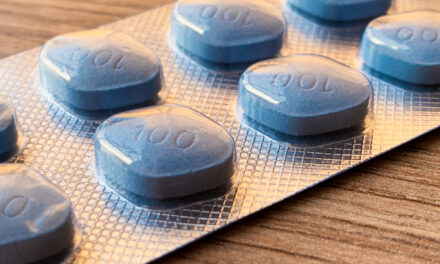
Tadalafil is a prescription PDE5 inhibitor approved for erectile dysfunction, taken either as needed or as a lower daily dose. In labeled trials it improved erection scores compared with placebo, but it needs sexual stimulation to work and isn’t safe for everyone, especially anyone who takes nitrates. A clinician sets the dose after reviewing your health and medicines.
If you’ve been searching for information on tadalafil for erectile dysfunction, you’re probably weighing a few practical questions at once. Will it work for me? How is it taken? What could go wrong, and what do I need to tell someone before I start? This guide answers those questions using the current FDA-approved labeling and recognized clinical guidance, and it stays honest about what the evidence can’t tell you.
Tadalafil is the generic name of the medicine sold as Cialis. It belongs to a group called PDE5 inhibitors (phosphodiesterase type 5 inhibitors), which help the blood vessels of the penis relax and fill when you’re aroused. Erectile dysfunction (ED) means trouble getting or keeping an erection firm enough for sex, and it has many possible causes, from blood vessel health and diabetes to medication effects, stress, and relationship strain. A pill can help the mechanics, but it doesn’t explain why they stopped working.
This article is the tadalafil hub. We keep each topic short here and send you to a dedicated guide when a question deserves more room: sildenafil vs. tadalafil for the head-to-head comparison, the sildenafil guide for the other common tablet, and tadalafil side effects for a closer look at safety. If you want the full picture of causes and treatment, start with the erectile dysfunction overview. Nothing here is a prescription or a diagnosis; it’s preparation for a conversation with a clinician who knows your history.
- Tadalafil is FDA-approved for ED, for benign prostatic hyperplasia (BPH) symptoms, and for ED and BPH together, with separate as-needed and once-daily labeled regimens.
- It works only with sexual stimulation, and its labeled effect window of up to 36 hours is not an erection that lasts that long.
- In the labeled trials, average erection scores and success rates rose versus placebo, but individual results vary and the numbers describe groups.
- Nitrates and riociguat are contraindicated, and an erection over 4 hours, sudden vision loss, or sudden hearing loss needs urgent care.
- The dose, the regimen, and whether tadalafil fits your health are decisions for your prescriber, who needs your full list of medicines.
What Tadalafil for Erectile Dysfunction Is
Before getting into doses and trial numbers, it helps to know exactly what this medicine is, what it is approved to do, and where it sits among the options a clinician may discuss. Many misunderstandings start with a wrong picture of what the pill does.
The medicine in plain terms
Tadalafil is a single active ingredient sold under a brand name and as many generics. Understanding the approvals and the limits of its action sets the right expectations for everything that follows.
What tadalafil is and what the labeling covers
According to the current Cialis labeling on DailyMed (revised March 2026), tadalafil is indicated for three uses: erectile dysfunction, the signs and symptoms of benign prostatic hyperplasia (BPH, an enlarged prostate that can cause urinary symptoms), and ED and BPH occurring together. The label says it is not indicated for use in females.
It’s a tablet, and it comes in a range of strengths that a prescriber chooses from. The same active ingredient is also sold under a different brand name for a lung condition, which is why you may see tadalafil labels that have nothing to do with ED. Those products are not interchangeable with each other, and the label advises against taking more than one tadalafil product at the same time.
Because there are several labeled uses, the regimen your clinician picks depends on which problems you actually have. A man with only ED and a man with ED plus urinary symptoms may be given different plans.
What it does and does not do
Tadalafil doesn’t create desire, and it doesn’t produce an erection on its own. The label explains that sexual stimulation triggers the local release of nitric oxide in penile tissue, and that inhibiting PDE5 “has no effect in the absence of sexual stimulation.” In other words, the medicine supports a response that arousal starts.
It also doesn’t repair the cause. If narrowed arteries, uncontrolled diabetes, a medication side effect, or anxiety is behind the problem, tadalafil can make erections easier without treating that underlying issue. That’s one reason clinicians usually ask about your overall health before or alongside prescribing it.
Finally, the label notes that tadalafil offers no protection against sexually transmitted infections. If condoms or testing matter in your situation, the pill doesn’t change that. Sexual satisfaction, closeness, and confidence involve more than a medication, and many people find that talking openly with a partner helps as much as any tablet.
Where it fits among ED treatments
Oral medicines are one option on a longer list, and the way clinicians present them follows a pattern that’s useful to understand before your appointment.
How the AUA guideline frames oral medicines
The American Urological Association’s erectile dysfunction guideline-guideline) (2018, with a literature search through July 2017) says men with ED should be informed about FDA-approved oral PDE5 inhibitors, with the benefits and risks discussed, unless a contraindication applies. It also says doses should be titrated to optimal efficacy and that patients should get instructions to get the most from the medicine.
The guideline calls shared decision-making the cornerstone of care: you and the clinician weigh the evidence against your values and preferences, and it advises inviting a partner to the conversation when that’s appropriate. It also expects a thorough medical, sexual, and psychosocial history first, plus a physical exam and selective lab tests, and it says men should be told that ED can be a risk marker for cardiovascular disease.
The guideline is several years old, so newer evidence may refine individual points. The core idea, that a pill is offered after a proper evaluation rather than instead of one, hasn’t changed.
Who tends to raise tadalafil with a clinician
People bring up tadalafil for different reasons, and the reasons shape the conversation. Some want a medicine that offers a wider time window and less need to plan. Some already have urinary symptoms from an enlarged prostate. Others have tried a different tablet and want to understand their options, which is the subject of the head-to-head comparison articles rather than this overview.
Marcus, 54, notices that his erections have been less reliable for about a year and that he gets up twice a night to urinate. He’s heard tadalafil mentioned for both problems and wonders whether he can just order some. Instead, he writes down his symptoms, his blood pressure readings from the pharmacy kiosk, and every medicine and supplement he takes, then books a visit. His clinician asks about chest pain, reviews his heart health and medicines, and explains that the decision about tadalafil, including which regimen, depends on what that review finds. Marcus leaves with a plan to follow up rather than a pill from a website.
Hypothetical scenario for illustration only. It does not describe a real person and is not individualized medical advice.
This is a hypothetical example, not a real patient. It shows a sensible pattern: the symptoms are named, the medication list is complete, and the choice of regimen follows an evaluation rather than preceding it.
How Tadalafil Works and What the Timing Numbers Mean
The biology is simpler than it sounds, and the timing numbers on the label measure different things. Separating them prevents the most common misreading: that a long window means a long erection.
The blood-flow pathway
An erection is a blood-flow event controlled by chemical signals. Tadalafil acts on one step in that chain, which explains both what it can do and why it has limits.
Nitric oxide, cGMP, and the PDE5 enzyme
When you’re sexually aroused, nerves in penile tissue release nitric oxide. That raises a messenger molecule called cGMP, which relaxes smooth muscle in the arteries and spongy tissue, letting blood flow in. An enzyme named PDE5 breaks cGMP down, which helps end the response.
Tadalafil blocks PDE5, so cGMP lasts longer and the relaxation signal is easier to sustain. That’s the whole mechanism, as the prescribing information describes it. The NIDDK treatment page puts it in everyday terms: PDE5 inhibitors improve blood flow to the penis and may help you get and keep an erection.
The same blood-vessel-relaxing effect is why nitrates are dangerous with tadalafil. Both lower blood pressure by acting on the same signaling pathway, and the combination can drop it sharply. That safety rule comes up again in the safety section.
Why arousal still matters
Because the pathway starts with nitric oxide released during stimulation, the medicine can’t substitute for the trigger. If anxiety, fatigue, distraction, low desire, or a lack of physical stimulation interrupts arousal, there may be little for tadalafil to amplify.
This explains a frequent frustration: a man takes the tablet, nothing happens, and he concludes the drug failed. Sometimes the drug is the wrong fit or the dose needs a prescriber’s attention, but sometimes the conditions for the response weren’t in place. Worry about performance can itself shut the pathway down, a loop that a clinician can help you untangle.
It also means the label’s “effect” is conditional. A person who feels no change in the hours after a tablet, without any arousal, hasn’t necessarily learned anything about whether it works. A clinician can help you interpret what you noticed and decide what, if anything, to adjust.
Reading the pharmacology numbers
The label lists several time-related figures. They are easy to mix up, so it’s worth taking them one at a time.
Peak, half-life, and steady state
The labeling reports that after a single oral dose, the median time to peak blood level is 2 hours, with a range of 30 minutes to 6 hours. The mean terminal half-life is 17.5 hours, meaning about half of the drug in your blood is cleared in that time on average. Food doesn’t influence the rate or extent of absorption, so tadalafil may be taken with or without food.
With once-daily dosing, the label says steady state is reached within 5 days, and exposure is about 1.6 times what a single dose produces. In adults 65 and older, the label reports about 25% higher exposure (AUC) than in younger adults, with no dose adjustment warranted by age alone.
These are averages from groups of people. Your own absorption and clearance can differ, and kidney function, liver function, and other medicines can change them. The numbers explain why the drug is described as long-acting, but they are not a personal forecast.
The 36-hour window and the 30-minute study
The label says tadalafil improved erectile function compared with placebo for up to 36 hours after as-needed dosing. Mayo Clinic similarly describes it as working for up to 36 hours. This is a ceiling for the window in which the drug can respond to arousal, not a typical length and not an erection that stays firm for a day and a half.
On onset, sources phrase it differently. MedlinePlus says to take it at least 30 minutes before sexual activity, while Mayo says about an hour before sex. In one timing study described in the full prescribing information, successful erections at or before 30 minutes occurred in 35% of men on placebo, 38% on 10 mg, and 52% on 20 mg.
For the practical details on how soon it works, see how long Cialis takes to work.
Labeled Regimens: As Needed, Once Daily, and With BPH
Tadalafil is unusual among ED tablets because its labeling describes more than one way to take it. This section summarizes what the labeling says, not what you should do. Your prescriber chooses the regimen and the strength for you, and you shouldn’t start, stop, split, or combine tablets on your own.
The as-needed pattern
As-needed use is the approach most people picture: a tablet taken ahead of anticipated sexual activity. The labeling sets starting points and limits that a prescriber can adjust.
What the labeling says about as-needed use
For ED taken as needed, the labeling says to start at 10 mg before anticipated sexual activity, then adjust to 20 mg or down to 5 mg based on how well it works and how well it’s tolerated. For most patients, the maximum frequency is once per day. MedlinePlus phrases the same limit as not more often than once every 24 hours.
The labeling also builds in limits for specific situations. With certain strong CYP3A4 inhibitors, a class of drugs that slow tadalafil’s breakdown (the label names ritonavir, ketoconazole, and itraconazole), the as-needed maximum is 10 mg no more than once every 72 hours. Kidney and liver problems have their own caps, covered in the safety section.
A “start at 10 mg” statement describes the label’s usual starting point, not a recommendation for you. Whether 10 mg, 5 mg, or 20 mg makes sense depends on your health, your other medicines, and how you respond, which is exactly why the AUA guideline talks about titrating the dose with a clinician.
The table below puts the labeled regimens side by side so you can see how the starting points and limits differ.
| Regimen | Labeled starting dose | Timing | Notable limits |
|---|---|---|---|
| As needed (ED) | 10 mg; label allows adjusting to 20 mg or 5 mg | Before anticipated sexual activity; most patients no more than once per day | With strong CYP3A4 inhibitors: maximum 10 mg, no more than once every 72 hours |
| Once daily (ED) | 2.5 mg; may increase to 5 mg | About the same time every day, regardless of sexual activity | With strong CYP3A4 inhibitors: maximum 2.5 mg; not recommended if creatinine clearance is below 30 mL/min |
| Once daily (BPH) | 5 mg | About the same time every day | Combination with alpha blockers not recommended for BPH |
| Once daily (ED and BPH) | 5 mg | About the same time every day, regardless of sexual activity | Same kidney and interaction cautions as other daily use |
Source note: FDA-approved Cialis labeling on DailyMed (revised March 2026). Descriptive only; your prescriber sets the regimen and dose. Starting doses are label starting points, not recommendations for any one person. Kidney, liver, and interacting-drug limits also apply.
Timing and food in practical terms
The labeling says tadalafil may be taken without regard to food, so a meal doesn’t change how much is absorbed. That differs from some other ED tablets, a point the sildenafil vs. tadalafil comparison covers. For tadalafil-specific food questions, including fatty meals, see tadalafil and food.
On timing, the sources reviewed don’t give one number. MedlinePlus says at least 30 minutes before sexual activity, and Mayo Clinic says about an hour before sex. The median peak blood level is around 2 hours, so some people find that planning for a longer lead time suits them. That’s a topic to raise with your prescriber rather than a rule to set yourself.
The long window can also create a false sense of freedom. Because effects can extend well past the first few hours, the safety rules, including the nitrate warning and alcohol limits, apply across that whole window. Onset, peak, and half-life are separate clocks, and none of them measures how long an erection lasts.
The daily pattern and the prostate overlap
The second labeled approach doesn’t tie the medicine to a single sexual occasion at all. It’s a steady lower dose, and it overlaps with prostate treatment.
Once-daily labeling
For once-daily ED treatment, the labeling says to start at 2.5 mg taken at about the same time every day, without regard to the timing of sexual activity, and it may be increased to 5 mg. The idea is that with daily dosing, steady state builds within about 5 days, so the drug is on board continuously rather than timed to an event.
Some people like that the plan removes the “when do I take it” decision, and some prefer to take medicine only when needed. Neither is automatically better, and the right choice depends on how often sex is likely, on side effects, and on cost. The label’s once-daily dose is also lower than the as-needed doses, though it adds up over days.
Different rules apply to daily dosing in some conditions. The labeling says once-daily use for ED isn’t recommended when creatinine clearance (a kidney function measure) is below 30 mL/min. For the full comparison of the two patterns, read daily vs. as-needed tadalafil, and for strength-by-strength detail, see the Cialis dosage guide.
When ED and BPH occur together
When a man has both ED and BPH symptoms, the labeling describes a single option: 5 mg once daily at about the same time each day, regardless of the timing of sexual activity. The labeling lists ED and BPH together as one of tadalafil’s approved uses, so a single daily tablet can address both when a prescriber judges it appropriate.
BPH is also commonly treated with alpha blockers, medicines that relax prostate and bladder-neck muscle. Alpha blockers and tadalafil both lower blood pressure, so the combination needs attention. The label says patients should be stable on an alpha blocker before starting a PDE5 inhibitor, and for BPH treatment it says the combination is not recommended. You should never adjust an alpha blocker yourself; the tadalafil and alpha blockers guide explains the issues.
Andre, 61, takes an alpha blocker for urinary symptoms and has noticed that erections take more effort than they used to. He reads that tadalafil can help both problems and wonders whether he could simply add it to what he already takes. He decides not to experiment. He calls the prescriber who manages his prostate medicine and asks whether tadalafil is appropriate for him, mentioning that he sometimes feels lightheaded when standing up quickly. The prescriber asks about his blood pressure, other medicines, and kidney function before deciding anything. Andre’s takeaway is that the question was never “can I add it?” but “which plan is safest for the whole picture?”
Hypothetical scenario for illustration only. It does not describe a real person and is not individualized medical advice.
This hypothetical shows why the medication list matters: the decision involves how the pills interact, not just whether either one is useful.
What the Evidence Shows and Where It Stops
Tadalafil is among the most studied medicines in sexual health. The labeling reports detailed trial results, and later analyses compared it with other drugs. The numbers are encouraging, but they describe groups, and they have clear limits.
Trial results described in the labeling
The full prescribing information includes tables from randomized, placebo-controlled trials. These are manufacturer-run registration trials, so read them as the evidence regulators reviewed, not as a neutral ranking.
As-needed results
In two U.S. as-needed studies of the 20 mg dose, the labeling reports average scores on the erectile function domain of the International Index of Erectile Function (IIEF-EF, a questionnaire) of 19.5 versus 13.5 on placebo in one study and 22.5 versus 13.6 in the other. Successful penetration (the label’s “SEP2”) was reported in 62% versus 39% and 77% versus 43%. Successfully maintaining an erection through intercourse (“SEP3”) was 50% versus 25% and 64% versus 23%.
The labeling also reports subgroup data. In men with diabetes, SEP3 was 48% with 10 mg and 42% with 20 mg versus 20% on placebo. In men after radical prostatectomy (prostate removal), SEP3 was 41% with 20 mg versus 19% on placebo. Diabetes and prostate surgery are common reasons ED is harder to treat, so these results are meaningful, although the improvement does not reach every man.
Note that placebo groups also improved somewhat. Part of any pill’s measured effect reflects expectation, repeated attempts, and reduced worry.
Once-daily results
For once-daily use, the labeling describes a 24-week U.S. study and a 12-week non-U.S. study. In the 24-week study, SEP3 rates were 50% with 2.5 mg and 57% with 5 mg versus 31% on placebo, and SEP2 rates were 65% and 71% versus 51%. The average IIEF-EF scores were 19.1 and 20.8 versus 14.6.
In the 12-week study of 5 mg, the labeling reports IIEF-EF of 22.8 versus 15.0, SEP2 of 79% versus 52%, and SEP3 of 67% versus 37%. The label states these changes were statistically significant compared with placebo.
These results don’t show that daily use is stronger or weaker than as-needed use. The studies had different designs, different populations, and different lengths, and the labeling doesn’t present them as head-to-head comparisons. If you’re weighing the two patterns, daily vs. as-needed tadalafil lays out how they differ in practice.
The table below collects the headline numbers from the labeling so you can see how the as-needed and once-daily results compare with placebo in each study.
| Study | IIEF-EF score | SEP2 (penetration) | SEP3 (maintained to completion) |
|---|---|---|---|
| As needed, U.S. study A (20 mg) | 19.5 vs 13.5 | 62% vs 39% | 50% vs 25% |
| As needed, U.S. study B (20 mg) | 22.5 vs 13.6 | 77% vs 43% | 64% vs 23% |
| Once daily, U.S. 24 weeks (2.5 mg) | 19.1 vs 14.6 | 65% vs 51% | 50% vs 31% |
| Once daily, U.S. 24 weeks (5 mg) | 20.8 vs 14.6 | 71% vs 51% | 57% vs 31% |
| Once daily, non-U.S. 12 weeks (5 mg) | 22.8 vs 15.0 | 79% vs 52% | 67% vs 37% |
Source note: Full prescribing information for Cialis (manufacturer-hosted FDA-approved labeling). Endpoint values, tadalafil versus placebo. Values are group results from manufacturer-run trials with different designs and are not head-to-head comparisons. Not a prediction for any one person.
Reading the numbers wisely
Trial numbers are only useful when you know what they measured and who was studied. A few simple questions make them much easier to interpret.
What the outcome measures capture
IIEF-EF is a patient-completed questionnaire about erectile function, where higher scores mean better function. SEP2 and SEP3 are diary questions: did you have an erection firm enough for penetration, and did it last through intercourse to completion? These capture what many men care about, but they don’t measure satisfaction, partner experience, or confidence.
A statistically significant change also isn’t automatically a large one for you. A group average can rise while a minority of individuals see little change. Likewise, the trial participants were selected, usually excluding people with severe heart disease or other conditions, so they may not look like everyone who takes the medicine.
The AUA guideline recommends using validated questionnaires to assess severity and track treatment, and it names the SHIM and the IIEF as examples. Asking your clinician to track your own score over time is a practical way to see whether a regimen is helping you.
Cross-drug comparison and limits
A 2015 network meta-analysis in European Urology pooled 82 randomized trials with 47,626 patients for efficacy and 72 trials with 20,325 patients for adverse events. It found sildenafil 50 mg had the greatest efficacy but the highest overall adverse-event rate. Tadalafil 10 mg had intermediate efficacy and the lowest overall adverse-event rate of the drugs studied.
That is a trade-off finding across groups, and the analysis is more than a decade old. It compared starting doses, not every dose, and it can’t tell you which drug will suit you. Reported adverse events in trials also depend on how side effects were recorded.
Because of that, this site avoids ranking drugs. The sildenafil vs. tadalafil pillar compares them on labeled features, and the evidence summary below shows how to hold these numbers in perspective.
Safety: Side Effects, Interactions, and Urgent Signs
Most people who take tadalafil have no serious problems, but a few risks are serious enough that every reader should know them before a first dose. This section covers the common effects, the health conditions that change the plan, and the interactions that matter most. It follows the labeling and is not a substitute for your prescriber’s review.
Side effects and health conditions
Side effects are usually mild and tend to be tied to how the drug widens blood vessels and affects smooth muscle. Some conditions, though, change what’s safe.
Common side effects
The labeling lists adverse reactions seen in placebo-controlled trials. For as-needed ED use, headache was the most common, reported by 11% of men on 10 mg and 15% on 20 mg, compared with 5% on placebo. Indigestion (dyspepsia), back pain, muscle aches, stuffy nose, flushing, and limb pain followed.
The table below shows those figures from the labeling, so you can see how much each effect rose above placebo.
| Reaction | Placebo | 10 mg | 20 mg |
|---|---|---|---|
| Headache | 5% | 11% | 15% |
| Dyspepsia (indigestion) | 1% | 8% | 10% |
| Back pain | 3% | 5% | 6% |
| Myalgia (muscle aches) | 1% | 4% | 3% |
| Nasal congestion | 1% | 3% | 3% |
| Flushing | 1% | 3% | 3% |
| Pain in limb | 1% | 3% | 3% |
Source note: FDA-approved Cialis labeling (DailyMed, revised March 2026). Reactions reported by at least 2% and more often than with placebo. Once-daily dosing has its own table in the labeling, with lower rates for some reactions (for example, headache 3% with 2.5 mg and 6% with 5 mg versus 5% on placebo in the 12-week trials). Rates from trials are not predictions for one person.
Discontinuations because of adverse events were low but higher than with placebo: 3.1% versus 1.4% for as-needed use and 4.1% versus 2.8% for once-daily ED use, per the labeling. For a full treatment of each effect, see tadalafil side effects. The back and muscle pain question gets its own guide in tadalafil and back pain.
Heart, kidney, liver, and penile conditions
Sexual activity is physical exertion, so the labeling says tadalafil isn’t for men for whom sexual activity is inadvisable because of heart status. It specifically isn’t recommended after a heart attack within 90 days, with unstable angina, with NYHA class 2 or higher heart failure within 6 months, with uncontrolled arrhythmias, with blood pressure below 90/50 mm Hg, with uncontrolled high blood pressure, or after a stroke within 6 months. Mayo Clinic lists similar cautions for oral ED medicines, plus severe liver disease, dialysis-dependent kidney disease, and an inherited retinal eye disease.
Kidney and liver function change the dose limits. For as-needed use with creatinine clearance of 30 to 50 mL/min, the labeling says to start at 5 mg and not exceed 10 mg more often than every 48 hours; below 30 mL/min or on hemodialysis, the maximum is 5 mg no more often than every 72 hours. In mild or moderate liver impairment the as-needed maximum is 10 mg, and severe impairment is not recommended.
The label also urges caution in conditions that predispose to prolonged erections (sickle cell anemia, multiple myeloma, leukemia) and in penile shape conditions such as Peyronie’s disease. Tell your clinician about any of these.
Interactions and urgent signs
Two things matter most here: medicines that interact dangerously, and symptoms that should send you to care without delay.
Nitrates, riociguat, and other must-mention medicines
The labeling contraindicates tadalafil with any form of organic nitrate, whether used regularly or intermittently, and with guanylate cyclase stimulators such as riociguat. These combinations can cause a serious drop in blood pressure. Nitrates include nitroglycerin and isosorbide medicines used for chest pain, and MedlinePlus adds that nitrite “poppers” (amyl or butyl nitrite) are also a concern. The dedicated guide on ED medication and nitrates covers this in depth.
If you use any nitrate medicine, or a nitrite product such as poppers, tell your prescriber before any ED medicine is considered. The labeling says that if nitrates become medically necessary in a life-threatening situation, at least 48 hours should have passed since the last tadalafil dose, with close medical supervision. If you take tadalafil and develop chest pain, tell emergency staff right away that you took it.
Other combinations add to blood pressure lowering without being absolute bans. Alpha blockers and blood pressure medicines can lower it further, and the label notes that substantial alcohol, about 5 units or more, can increase dizziness and lightheadedness on standing. Strong CYP3A4 inhibitors slow tadalafil’s clearance, while inducers such as rifampin lower exposure. Never combine tadalafil with another PDE5 inhibitor. The label says combinations have not been studied. Tell your prescriber and pharmacist about every medicine and supplement you take.
Signs that need urgent care
Three warnings stand out across the labeling, MedlinePlus, and the NIDDK: an erection lasting more than 4 hours, sudden vision loss, and sudden hearing loss. The labeling says priapism is a prolonged, often painful erection, and that an erection lasting more than 4 hours, painful or not, needs emergency medical attention.
For sudden vision loss, the label discusses NAION (non-arteritic anterior ischemic optic neuropathy, a form of optic nerve damage). Observational studies suggested roughly double the risk, but the label says a causal link is not established. For sudden hearing loss, sometimes with ringing and dizziness, the label also says causality can’t be determined. Either way, the instruction is to stop taking it and get prompt medical attention.
The table below summarizes the signs and what to do. If you’re unsure whether something is an emergency, treat chest pain, fainting, or severe symptoms as one and call 911.
| Sign | What the labeling or sources say | Safe response |
|---|---|---|
| Erection lasting more than 4 hours | Priapism risk; painful erections over 6 hours are defined as priapism | Seek emergency care immediately |
| Sudden vision loss in one or both eyes | Possible NAION; causal link not established | Stop the medicine and seek urgent medical care |
| Sudden hearing loss, with or without ringing or dizziness | Cause-and-effect not determined | Stop the medicine and seek prompt medical attention |
| Chest pain, fainting, or severe dizziness | Cardiovascular events reported after marketing, mostly in men with existing risk factors | Call 911 or emergency services; say you took tadalafil |
| Hives, rash, blistering skin, or swelling of face, lips, or throat | Serious hypersensitivity is a labeled contraindication, and MedlinePlus lists these as serious side effects | Seek emergency care |
Source note: FDA-approved Cialis labeling (DailyMed, revised March 2026), MedlinePlus (revised April 15, 2023), and NIDDK (reviewed October 2024). This is not a triage tool. If you’re worried, contact emergency services or a clinician.
Access, Costs, and Fit Compared With Other Options
Even a medicine that suits you medically has to be obtained, paid for, and judged against your goals. This section covers how people usually get tadalafil and what to expect, then looks at alternatives and the cases where a tablet alone doesn’t meet expectations.
Access and costs
Tadalafil is a prescription medicine, so access starts with a clinician and runs through a pharmacy. Cost depends on several components, not a single price.
Prescriptions, generics, and online safety
Because tadalafil carries real interactions and contraindications, it needs a prescription from a licensed clinician who reviews your history. The NIDDK advises against ordering ED medicine online before talking with a health care professional, and that guidance also applies when a website offers pills without a real evaluation.
Generic versions exist. A DailyMed search for tadalafil lists many labels from multiple manufacturers, some for other uses. How brand and generic products compare, including how the tablets can look different, is covered in Cialis vs. generic tadalafil.
Unregulated sources are risky. A counterfeit or mislabeled tablet may contain the wrong amount or a different ingredient, and you can’t judge how it will interact with your other medicines when you don’t know what’s inside. A pharmacist can answer questions about where your prescription came from.
Insurance and cost components
This site doesn’t state prices, because they change and vary by pharmacy, strength, quantity, and plan. What can be said is which components usually apply: the visit that leads to the prescription, any lab tests, the medicine itself (brand or generic, as needed or daily), and how your insurance treats it.
Insurance coverage varies. A CMS question-and-answer document states that medicines prescribed for sexual or erectile dysfunction are excluded from Medicare Part D, though a drug can be a Part D drug when prescribed for another FDA-approved use, and plan sponsors may cover excluded ED drugs only as supplemental benefits. Because tadalafil has a BPH indication, ask your plan how a BPH prescription would be treated rather than assuming. Private plans differ, so check your plan’s formulary and rules.
When cost matters, ask your prescriber whether a generic is appropriate and whether a daily or as-needed pattern changes the number of tablets you’d use.
When tadalafil does not match expectations
Tadalafil is a good tool for some people and a disappointing one for others. Knowing the alternatives and the reasons it might fall short helps you plan the next conversation.
Other pills and non-pill options
Tadalafil is one of several oral PDE5 inhibitors. Sildenafil, vardenafil, and avanafil are the others, and they differ in timing, food effects, and side-effect patterns. The sildenafil vs. tadalafil comparison is the right place for the head-to-head, and the sildenafil guide covers that drug on its own.
Beyond pills, the NIDDK treatment page lists lifestyle changes, counseling when emotional or mental health issues contribute, a review of medicines that may be causing ED (without stopping any on your own), testosterone therapy when ED and low testosterone occur together, injectable and suppository medicines, vacuum erection devices, and surgery. The AUA guideline says men with ED and testosterone deficiency should be told that PDE5 inhibitors may work better combined with testosterone therapy.
None of these is a “failure” option. For some men, a nonpill treatment fits better because of heart medicines, side effects, or personal preference.
Underlying causes and expectations
If tadalafil doesn’t deliver what you expected, the explanation often lies elsewhere. Common reasons include a dose or regimen that needs adjustment, arousal conditions that weren’t in place, an interacting medicine, blood vessel or nerve damage, hormonal problems, and anxiety. These factors are covered in the causes of ED overview, which also separates physical from psychological contributors.
Expectations matter too. In the labeling’s trials, even the groups on tadalafil didn’t all succeed in every attempt: SEP3 success rates in the studies above ranged from about 41% to 67%, not 100%. Some improvement rather than perfect reliability is a realistic goal for many men, and a partner’s understanding often helps.
Tell your prescriber what happened, how often, and under what conditions. Switching, adjusting, or adding a treatment is a clinical decision, not something to improvise.
Common Questions
These are the questions readers most often have after learning the basics. The answers follow the labeling and reputable health sources, and none of them replaces your prescriber’s advice about your own situation.
Questions about taking tadalafil
The first group covers how the medicine is used and what it needs in order to work.
Can you take tadalafil only when you plan to have sex?
Yes, in the sense that the labeling includes an as-needed regimen for ED, taken before anticipated sexual activity and generally no more than once per day. It also includes a once-daily regimen that isn’t timed to sex at all. Which one is right for you is a decision for your prescriber, who considers how often you expect to be sexually active, your other conditions, and your preferences.
What isn’t wise is mixing the patterns on your own, for example adding an extra tablet to a daily dose. The labeling sets separate limits for each pattern, and your prescriber builds them around your health. If your plans change, a quick call to the prescriber is better than guessing. The daily vs. as-needed guide goes deeper on how the two approaches differ.
Does tadalafil raise sex drive or work without arousal?
No on both counts, based on how the labeling describes the drug. Tadalafil acts on the blood-flow step, and the label states that PDE5 inhibition has no effect without sexual stimulation. It doesn’t change desire, which is a separate issue shaped by hormones, mood, stress, relationships, medicines, and health conditions.
If your main concern is low interest in sex rather than trouble with erections, a tablet for erections may not address the right problem. The distinction matters because the evaluation differs. Low desire can involve checking testosterone, mood, sleep, and medication effects, while ED often starts with blood pressure, blood sugar, and heart risk. Telling your clinician which one you’re experiencing, or whether it’s both, helps them choose the right next step.
Questions about alcohol and first attempts
The second group covers situations where people are tempted to improvise, which is exactly when a quick question to a professional helps most.
Is it safe to drink alcohol or eat grapefruit with tadalafil?
For alcohol, the labeling says substantial consumption, about 5 units or more, can increase the potential for dizziness and other symptoms on standing because both alcohol and tadalafil can lower blood pressure. MedlinePlus describes more than five glasses of wine or five shots of whiskey as raising the risk of dizziness, headache, fast heartbeat, and low blood pressure. A smaller amount is not shown to be risk-free for everyone, and your prescriber can advise you based on your health. The tadalafil and alcohol guide goes into more detail.
On grapefruit, the source reviewed for this article, MedlinePlus, tells readers to ask their doctor about eating grapefruit or drinking grapefruit juice with tadalafil. We did not find a specific rule in the sources reviewed, so ask your prescriber or pharmacist instead of assuming it’s fine or forbidden.
What if tadalafil does not work the first time?
One attempt isn’t a verdict. Arousal, stress, fatigue, alcohol, or a dose that isn’t right for you can all affect a first try, and the AUA guideline recommends titrating the dose to optimal efficacy, which assumes some back-and-forth with a clinician.
The key point is what not to do: don’t take extra tablets within the same day, don’t combine tadalafil with another ED medicine, and don’t buy a different product online as a quick fix. The labeling sets a maximum frequency for good reason. Instead, note what happened, including the timing, whether you felt aroused, what you ate or drank, and any side effects, then share it with your prescriber. If the problem keeps up, the cause may be something a tablet can’t fix, and the erectile dysfunction overview explains how that evaluation usually proceeds.
Your Next Steps
You don’t need to have everything figured out before you talk to someone. A little preparation turns a short, potentially awkward appointment into a useful one. The steps below are about being ready to talk, not about treating yourself.
Preparing for the conversation
Clinicians can only fit a medicine to a person when they have accurate information, so the most useful thing you can do is bring it.
What to track and bring
Start with a plain list: when the erection problems began, how often they happen, whether they’re tied to certain situations, and whether you wake with erections. Then list every medicine, supplement, and recreational substance you use, including prescription heart and blood pressure medicines and anything containing nitrates. Add your relevant health history, such as diabetes, heart disease, prostate symptoms, and past surgeries, and any readings you have at home.
If you’ve taken any ED medicine before, note which one, the strength, how it went, and any side effects. The graphic below summarizes the preparation steps, and the table after it explains why each item helps.
The table below pairs each item with the reason it matters and the question it opens.
| What to note | Why it helps | What to bring up |
|---|---|---|
| Every medicine and supplement | Nitrates, alpha blockers, and CYP3A4 inhibitors change the safety picture | “Do any of my medicines interact with tadalafil?” |
| Heart and blood pressure history | The labeling lists cardiovascular situations where tadalafil isn’t recommended | “Is sexual activity safe for my heart?” |
| Urinary symptoms | BPH is a labeled tadalafil use and affects the regimen | “Would a daily regimen make sense for both issues?” |
| Past ED medicine experience | Shows what to adjust | “What changed, and what could we try differently?” |
| Alcohol use | The labeling flags substantial alcohol | “How much is too much with this medicine?” |
Source note: Original editorial summary based on the AUA erectile dysfunction guideline (2018), the FDA-approved Cialis labeling, and NIDDK (reviewed October 2024). A preparation aid, not a self-diagnosis tool.
Questions to ask your prescriber
Having a short list of questions makes it easier to leave with answers. The checklist below is an original aid, not a rule set.
If any answer surprises you, ask for it in plain language. A good clinician expects those questions, and the guide to the clinicians who treat ED can help you decide whom to see.
After the first conversation
The first visit is a starting point. Tadalafil, like any medicine, works best when it’s followed up.
Following up and reassessing
If a clinician prescribes tadalafil, ask when to check back. The AUA guideline’s emphasis on titration and validated questionnaires points to a reasonable pattern: try the plan as directed, notice how it goes, and review it together. Keep a simple note of each attempt, covering timing, response, and side effects, because specifics beat general impressions.
Tell your prescriber about any new medicines you start, since interactions can appear later. Mention if you’re scheduled for surgery or a dental procedure, because other clinicians need to know you take tadalafil. If it isn’t helping, or if side effects bother you, ask what the options are instead of stopping or changing the dose alone. Related reading includes the guide to Cialis dosage, which explains the strengths, and tadalafil side effects if you want a closer look at tolerability.
When to seek help sooner
Some situations don’t wait for a follow-up. Get emergency care for an erection lasting more than 4 hours, chest pain, or fainting. Stop the medicine and seek urgent care for sudden vision loss or sudden hearing loss. If you took tadalafil and someone offers you a nitrate for chest pain, say so immediately.
Less urgent but important: call your prescriber if you notice dizziness when standing, a rash, or side effects that bother you enough to consider stopping. Don’t wait for the next scheduled visit. And if you’re thinking of buying a medicine online without an evaluation, call a pharmacist first.
Tadalafil for erectile dysfunction is a well-studied option with a long labeled window, two ways to take it, and a safety profile that depends heavily on your health and your other medicines. The trial results in the labeling show real average improvements over placebo, but they describe groups, and they say nothing certain about you. What the evidence can’t do is replace an evaluation that looks at why erections changed in the first place.
The most helpful steps are practical ones. Write down your symptoms and your full medicine list, mention any nitrate use or heart concerns, and ask your prescriber to explain the regimen, the dose, and the plan for follow-up. Keep the urgent warning signs in mind: an erection lasting more than 4 hours, sudden vision loss, sudden hearing loss, and chest pain all call for prompt care.
If you want to go further, the sildenafil vs. tadalafil comparison and the sildenafil guide cover the neighboring options, while sildenafil side effects shows what safety looks like for the other common tablet. Whatever you decide, you’re entitled to clear answers, a plan you understand, and a clinician who treats the conversation as routine health care.
Sources and further reading
- Cialis (tadalafil) prescribing information: DailyMed , current FDA-approved labeling, revised March 2026
- Cialis full prescribing information: Eli Lilly and Company , manufacturer-hosted FDA-approved labeling with trial tables
- Erectile Dysfunction: AUA Guideline-guideline) , American Urological Association, 2018
- Treatment for erectile dysfunction: NIDDK , National Institutes of Health, reviewed October 2024
- Erectile dysfunction: Mayo Clinic , page dated January 21, 2026
- Tadalafil: MedlinePlus , National Library of Medicine, revised April 15, 2023
- Phosphodiesterase 5 inhibitors for the treatment of erectile dysfunction: a trade-off network meta-analysis: European Urology (PubMed) , Chen et al., 2015
- Erectile dysfunction drugs under Medicare Part D: CMS , question-and-answer document on the ED exclusion
Source links were checked on October 12, 2026. Guidance, drug labeling, prices, and availability can change, so confirm current details with an official source or your clinician.